Air Purifier Smelling Like Plastic or Ozone: What to Do
If your air purifier smells like ozone, plastic, or burning, turn it off and unplug it first. Then check the filter, packaging, settings, and unit for signs of a fault.
If your air purifier smells like ozone, burning plastic, or a sharp chemical odor, turn it off and unplug it. Ventilate the room, and don’t run it again until you’ve checked the filter, packaging, settings, and unit. A faint new-appliance smell may fade, but a persistent, worsening, or burning odor is a reason to stop using the purifier and contact the manufacturer.
What to do first
Turn off and unplug the purifier. If the smell is strong, irritating, or accompanied by smoke, sparks, unusual heat, or a crackling sound, keep it unplugged. Don’t open the motor housing.
Ventilate the room. Open windows if you can do so safely, and keep people and pets away from the odor until it clears.
Check the manual and controls. Look for an ionizer, plasma, or other optional air-treatment setting. If the manual allows it, leave that feature off. Don’t use a device advertised as an ozone generator in an occupied room.
Inspect the filters and accessible parts as described below. Unplug the unit before removing panels or filters.
A smell alone can’t reliably identify ozone or diagnose a fault. If the odor returns when you restart the purifier, stop using it rather than trying to mask it with fragrance or another filter.
Check the filter and packaging
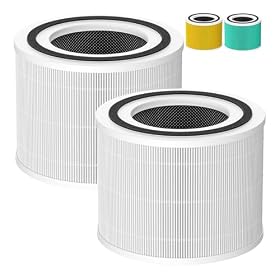
A filter can smell because it is new, damp, contaminated, or installed with protective packaging still on it. With the purifier unplugged, check the manual and filter for:
Plastic wrapping, film, foam, cardboard, or shipping inserts that should have been removed.
A filter that is damp, visibly damaged, or unusually dirty.
A filter fitted backward, not seated flat, or not intended for your exact purifier.
A replacement filter or carbon layer that has a strong odor of its own.
Reinstall the filter only as directed. If it is wet, damaged, or has a persistent chemical or burnt odor, don’t wash or reuse it unless the manufacturer specifically says that is safe. Replace it with a compatible filter if the manual recommends replacement. If a new filter itself has a strong odor, contact the filter or purifier manufacturer before continuing to use it.
Product prices and availability are accurate as of the date/time indicated and are subject to change. Any price and availability information displayed on Amazon.com at the time of purchase will apply to the purchase of this product.
Check the unit, airflow, and settings
Make sure the air intake and outlet aren’t blocked by curtains, furniture, dust, or other objects. Check that the filter cover and other removable panels are fully closed and that any seals are in place. Poor fit or blocked airflow can affect operation, although it does not by itself prove what is causing the odor.
If the smell seems ozone-like, check whether the purifier has an ionizer or similar feature and disable it if the instructions permit. Some air-cleaning technologies can produce ozone; the presence of a sharp smell is not a dependable way to measure it. If the odor persists with optional features off, keep the unit unplugged and ask the manufacturer for guidance.
Also consider whether the odor could be coming from the room, a nearby appliance, cleaning product, or recently applied paint or adhesive. Don’t assume the purifier is the source if the smell remains when it is unplugged—but avoid running it while you investigate.
Product prices and availability are accurate as of the date/time indicated and are subject to change. Any price and availability information displayed on Amazon.com at the time of purchase will apply to the purchase of this product.
When to stop troubleshooting
Do not restart the purifier if you notice a burnt-electronics smell, smoke, sparks, a hot or discolored plug, damaged wiring, or unusual heat. Don’t open the electrical housing or attempt a repair. Contact the manufacturer or a qualified repair professional; replace the unit if it cannot be safely serviced.
If the smell is mild and clearly came from removable packaging, follow the manual’s setup instructions and monitor the purifier from a safe distance. Stop it again if the odor returns, gets stronger, or causes irritation. For persistent odor without an obvious setup issue, a replacement filter may be reasonable only if the manufacturer identifies the filter as the cause; otherwise, arrange service or discontinue use.
FAQ
Is it normal for a new air purifier to smell like plastic?
A faint new-product odor may fade, but a strong, persistent, worsening, or burnt-plastic smell isn’t something to ignore. Turn the unit off, unplug it, check for shipping materials around the filter, and follow the manufacturer’s setup guidance. Don’t keep using it if the odor returns or causes irritation.
Can an air purifier produce ozone?
Some air-cleaning technologies, including certain ionizers, can produce ozone. Check the product manual for its features and instructions, and disable optional ionizing functions if the manufacturer allows. A smell is not a reliable way to determine ozone levels.
Should I replace the filter if my air purifier smells?
Replace it if it is damaged, wet, contaminated, or the manufacturer identifies it as the source. First check for protective wrapping and correct installation. A replacement filter won’t fix an electrical fault or ozone-producing feature.
Can I keep using an air purifier that smells like burning?
No. Turn it off and unplug it. If there is smoke, sparking, unusual heat, or a burnt-electronics odor, don’t restart it or open the housing; contact the manufacturer or a qualified repair professional.