A dehumidifier removes moisture; an air purifier filters airborne particles. For a damp room, control the moisture source first, then choose an appliance for the problem that remains.
The short answer
For a damp room, a dehumidifier is the appliance that addresses the dampness: it removes moisture from the air. An air purifier does not dry a room. It can capture airborne particles, including some mold spores, but it cannot stop mold growth or fix the moisture causing it.
If you can, measure humidity with a hygrometer and look for leaks, condensation, or other moisture sources. The U.S. EPA recommends keeping indoor relative humidity below 60%, ideally between 30% and 50%. A purifier may be a useful addition if airborne particles or odors are also a concern, but it is not a substitute for moisture control.
What each appliance does
Dehumidifier: reduces moisture
A dehumidifier draws in room air, removes some of its moisture, and returns drier air. It is the more relevant choice when humidity stays high, windows or walls collect condensation, or the room feels persistently clammy. It also needs to be emptied or drained as directed by its manufacturer.
It will not repair a leak, improve ventilation, or remove water already soaking into building materials. Address the source of moisture as well as the humidity.
Air purifier: filters airborne particles
An air purifier circulates room air through filters. A properly sized unit with a HEPA filter can help reduce airborne particles such as dust and some mold spores. A carbon filter may help with certain odors, but it does not remove dampness or reliably solve every odor problem.
A purifier may help with airborne particles while a moisture issue is being addressed, but it does not remove mold growing on walls, carpet, or furniture. The surface problem and its moisture source still need attention.
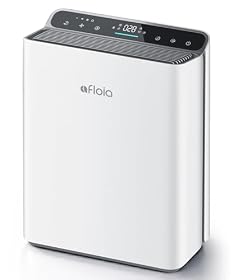
Air purifier for a damp room with airborne particles
Product prices and availability are accurate as of the date/time indicated and are subject to change. Any price and availability information displayed on Amazon.com at the time of purchase will apply to the purchase of this product.
Choose based on the cause of dampness
Humidity is high or condensation keeps forming: Start with a dehumidifier and investigate the source of moisture. Use a hygrometer to track whether humidity comes down.
Humidity is under control, but airborne dust or particles are a concern: Consider an air purifier sized for the room. Check the clean-air delivery information and the room-size guidance on the product; a unit that is too small may not circulate enough air for the space.
There is visible mold or a musty smell: Find and correct the moisture source. A purifier may reduce some airborne particles, but it is not mold remediation. For extensive mold, recurring growth, or water damage that is difficult to dry, seek qualified help.
Both moisture and airborne particles are problems: Use a dehumidifier for humidity and a purifier for airborne particles. They do different jobs, so one does not replace the other.
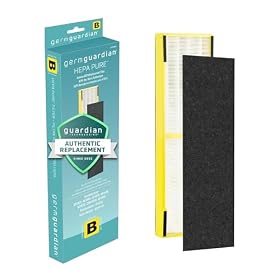
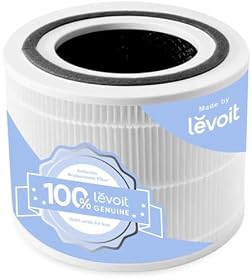
Replacement filter for an air purifier used around dampness
Product prices and availability are accurate as of the date/time indicated and are subject to change. Any price and availability information displayed on Amazon.com at the time of purchase will apply to the purchase of this product.
When using both makes sense
Using both can be reasonable if a room has persistently high humidity and you also want to reduce airborne particles. Choose each appliance for the room and follow its placement, clearance, and operating instructions. Keep electrical appliances away from standing water and wet surfaces.
Run the dehumidifier until humidity is in a suitable range, then use the hygrometer to check whether it stays there. Keep purifier filters maintained as directed; a clogged filter can reduce airflow. Neither appliance should be used to conceal an unresolved leak or ongoing mold growth.
What to check before buying
Measure humidity: A hygrometer helps distinguish a genuinely humid room from one that only feels damp. Check at different times, since humidity can vary.
Look for the moisture source: Check for plumbing leaks, water intrusion, poor bathroom or kitchen ventilation, and condensation. Fixing the source is more important than adding another appliance.
Match the appliance to the room: For a purifier, check room-size guidance and replacement-filter availability. For a dehumidifier, use its rated capacity and operating guidance to judge whether it suits the room’s size and conditions.
Consider upkeep: Purifiers need filter replacement or cleaning as specified. Dehumidifiers need regular tank emptying or a suitable drain setup and cleaning. Check the manufacturer’s instructions before using either appliance in a damp or potentially wet location.
FAQ
Can an air purifier remove moisture from a room?
No. An air purifier filters airborne particles; it does not meaningfully dehumidify a room. Use a dehumidifier to lower humidity and address the source of moisture.
Will an air purifier get rid of mold in a damp room?
It may capture some airborne mold spores if it has a suitable filter and is sized for the room, but it will not remove mold growing on surfaces or fix the moisture that allows mold to grow.
Should I run an air purifier or dehumidifier first?
If humidity is high or condensation is present, prioritize moisture control: investigate the source and use a dehumidifier if appropriate. Add an air purifier if reducing airborne particles is also a goal.
What humidity should I aim for indoors?
The U.S. EPA recommends keeping indoor relative humidity below 60%, ideally between 30% and 50%. A hygrometer can help you monitor it.