Air Purifier With a Fan vs. a Standalone Fan Plus Filter
A standalone fan only filters air if the filter is fitted so air is pulled through it. Compare that setup with a purpose-built air purifier by checking airflow, filtration, noise, safety, and upkeep.
A purpose-built air purifier is usually the simpler, more predictable choice: its fan moves air through a filter system designed for the unit. A standalone fan plus filter can be a lower-cost option, but only if the filter is securely arranged so air passes through it rather than around it. A fan merely pointed at a loose filter will not clean a room reliably.
What each setup does
Air purifier with a built-in fan
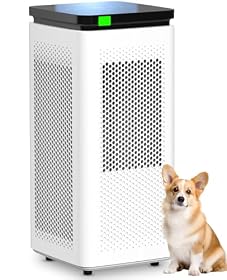
A portable air purifier uses a fan to draw room air through one or more filters and send the cleaned air back into the room. Check the unit’s stated clean air delivery rate (CADR), recommended room size, and filter type. CADR is more useful for comparing room-cleaning performance than fan speed alone.
Many units use a particle filter, often described as HEPA or HEPA-type, and may add a carbon layer for some odors and gases. Carbon performance depends on the amount and design of the carbon; a thin layer should not be assumed to remove every odor or gas. Replacement filters and their cost and availability are part of the long-term decision.
Standalone fan plus filter
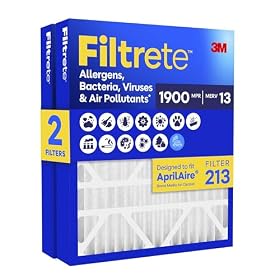
This usually means a box fan fitted with one or more HVAC filters, such as a DIY fan-filter cube. The fan’s airflow is used to pull air through the filter. A filter placed beside or in front of a fan without a close-fitting arrangement may allow much of the air to bypass the filter.
The setup’s performance depends on the fan, filter resistance, fit, and any gaps. A higher-efficiency filter can capture more small particles, but it may also restrict airflow. The fan-and-filter combination does not automatically have a known CADR, so do not assume it will clean a particular room as quickly as a purifier with a published rating.
Which should you choose?
Consideration
Purpose-built air purifier
Standalone fan plus filter
Performance information
Often has a stated CADR or room-size guidance
Usually harder to quantify as a complete setup
Setup
Ready to use after fitting the specified filter
Requires a secure, low-bypass arrangement
Filtration
Designed around compatible filters; some models add carbon
Depends on the chosen filter and how well it fits
Noise and airflow
Multiple speeds; check noise at the speed you will use
Fan noise may be noticeable, especially at higher speeds
Upkeep
Replace or clean filters as the manufacturer directs
Replace filters and inspect the fan and attachment regularly
Best fit
People who want straightforward operation and clearer performance guidance
People comfortable assembling and checking a DIY particle-filter setup
Choose a purpose-built purifier when you need published performance guidance, want a compact finished unit, or need features such as a carbon filter for some odors. Choose a fan-and-filter setup if you understand its limitations, can assemble it securely, and mainly want particle filtration without relying on a precise room-cleaning rating.
Neither option replaces source control or ventilation where those are needed. For smoke, allergens, or other particles, select a device or setup appropriate to the room and run it as directed.
Product prices and availability are accurate as of the date/time indicated and are subject to change. Any price and availability information displayed on Amazon.com at the time of purchase will apply to the purchase of this product.
How to compare airflow and filtration
Match performance to the room. Use the purifier’s CADR and room-size guidance rather than choosing by appearance or fan diameter. For a DIY setup without a verified CADR, treat room performance as uncertain.
Check what the filter captures. Particle filters and carbon filters serve different purposes. A particle filter can capture airborne particles; carbon is intended for some gases and odors, with results depending on its design and amount.
Account for filter resistance. A restrictive filter can reduce a fan’s airflow. Do not assume that a high-efficiency HVAC filter will work well with every box fan.
Consider usable speed. A device only cleans air while running. If its highest setting is too loud for your room, compare performance at a speed you can tolerate.
Check ongoing maintenance. Follow the manufacturer’s replacement or cleaning schedule. A loaded filter can reduce airflow, and a DIY setup needs periodic checks for gaps, loosened attachments, and dust buildup.
Product prices and availability are accurate as of the date/time indicated and are subject to change. Any price and availability information displayed on Amazon.com at the time of purchase will apply to the purchase of this product.
Safety and setup checks for a fan-filter arrangement
Use a fan and filter combination only in a configuration permitted by the fan and filter manufacturers. Keep the intake and outlet unobstructed, secure the filter without covering the motor or controls, and stop using the setup if the fan overheats, smells unusual, makes new noises, or shows damage. Do not use a wet or damaged filter. If the fan’s instructions do not support the arrangement, use a purpose-built air purifier instead.
A DIY assembly should not be treated as a substitute for a listed air-cleaning appliance where a specific certification or documented performance is required. Follow the product instructions and applicable safety guidance.
Bottom line
For predictable room-cleaning guidance and easy setup, choose an air purifier with a suitable published CADR and compatible replacement filters. A standalone fan plus filter can be a practical DIY particle-filtration option, but its real performance depends on filter fit, airflow, and safe assembly—and is often less certain.
FAQ
Does putting an air filter in front of a fan clean the air?
It can, if the fan pulls air through the filter and the arrangement limits air bypass. A loose filter placed near a fan may let much of the air pass around it, reducing filtration.
Is a box fan with a filter as effective as an air purifier?
Not necessarily. A purpose-built purifier may publish a CADR for comparison, while a DIY fan-filter setup’s performance depends on the fan, filter resistance, and fit. Without a verified rating for the complete setup, room-cleaning performance is harder to predict.
Can I use a MERV 13 filter with any box fan?
No. A more restrictive filter may reduce airflow, and fan compatibility varies. Follow the fan and filter manufacturers’ instructions; if the combination is not supported or the fan shows signs of strain, use another setup.
Will a HEPA air purifier remove odors?
A particle filter such as HEPA is designed to capture particles, not odors as such. Some purifiers include activated carbon for some gases and odors, but performance depends on the carbon amount and design.