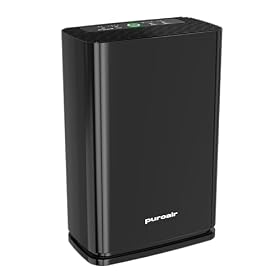
An air purifier with an activated-carbon filter can help reduce lingering cooking smells, but a standard HEPA filter mainly captures particles. Ventilation and removing the odor source still matter.
Do air purifiers help with cooking odors?
Yes—an air purifier can reduce cooking odors if it has an effective activated-carbon filter. HEPA filtration captures airborne particles such as smoke, but it does not remove most odor-causing gases by itself. For the best results, use the range hood or another exhaust fan while cooking, then run a properly sized purifier to help clear what remains.
A purifier is a supplement to ventilation, not a substitute for it. Strong or persistent odors may also mean that grease or food residue needs cleaning.
Product prices and availability are accurate as of the date/time indicated and are subject to change. Any price and availability information displayed on Amazon.com at the time of purchase will apply to the purchase of this product.
How air purifiers remove cooking smells
Cooking can release both particles and gases. A HEPA filter is designed to capture particles, including some airborne smoke. Activated carbon adsorbs certain gases and odor compounds onto its surface. A purifier with both types of filtration can address more of the pollution from cooking than a particle filter alone.
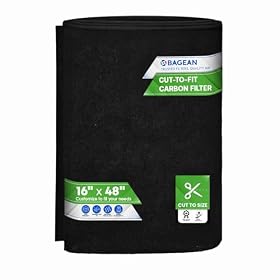
Carbon-filter performance varies. A thin carbon-coated sheet may help with light, occasional smells, but it has less adsorbing material than a substantial carbon bed. Check the product details for the type and amount of carbon, and follow the manufacturer's guidance for replacing the filter. A carbon filter gradually becomes less effective as it fills; it may need replacement even if it does not look dirty.
Product prices and availability are accurate as of the date/time indicated and are subject to change. Any price and availability information displayed on Amazon.com at the time of purchase will apply to the purchase of this product.
Choose and position a purifier for the room
Match the purifier to the room where cooking odors linger. Check its stated room coverage or clean-air delivery information, and use the manufacturer's recommended room-size guidance. A particle-focused CADR rating can help compare particle cleaning, but it does not tell you how well a purifier removes gases or odors. For cooking smells, confirm that the unit includes activated carbon and consider how much carbon it contains.
Place the purifier in the kitchen or nearby open area with its air intake and outlet unobstructed. Keep it clear of walls, curtains, and cabinets according to the manual. Running it during cooking and afterward can help; using a higher setting may clear air faster but can be noisier.
What works alongside an air purifier
Turn on a range hood that vents outdoors before cooking, and leave it running afterward as directed by its manufacturer.
If you do not have an externally vented hood, open a window when conditions allow and use an exhaust fan that vents outdoors.
Cover food when practical, clean greasy surfaces and filters, and remove food scraps promptly.
Avoid relying on ozone-generating devices to mask odors. Follow the purifier's instructions and choose filtration rather than ozone as an odor-control strategy.
If odors remain strong despite ventilation and a fresh, suitable carbon filter, look for a persistent source such as grease buildup, a dirty range-hood filter, or an appliance that needs cleaning.
FAQ
Does a HEPA filter remove cooking odors?
A HEPA filter mainly captures airborne particles, such as some smoke particles. It generally does not remove most odor-causing gases on its own. For odor reduction, look for a purifier that also has an activated-carbon filter.
How long should I run an air purifier after cooking?
Run it during cooking and afterward until the smell has faded. The time depends on the room, the strength of the odor, ventilation, and the purifier's capacity; follow the manufacturer's operating guidance.
Will an air purifier eliminate strong cooking smells?
It may reduce lingering smells, especially with adequate activated carbon, but it cannot reliably overcome poor ventilation or a persistent odor source. Use exhaust ventilation and clean grease or food residue as well.