A vented exhaust fan is usually the first choice for cooking smoke because it carries pollutants outside. An air purifier can capture airborne particles that remain, but it does not replace outdoor ventilation.
The short answer
For cooking smoke, use a range hood or exhaust fan that vents outdoors whenever possible. It captures smoke and cooking emissions near the source and moves them out of the home. An air purifier can reduce particles that escape into the room, but it recirculates air and cannot provide the same ventilation.
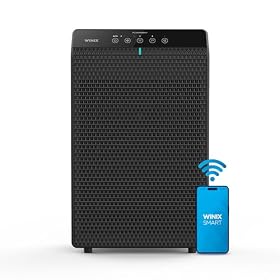
If your hood only filters air and sends it back into the kitchen, or you do not have a hood, a properly sized air purifier with a HEPA filter and a substantial activated-carbon filter can help. Using both is often the most effective approach.
Product prices and availability are accurate as of the date/time indicated and are subject to change. Any price and availability information displayed on Amazon.com at the time of purchase will apply to the purchase of this product.
What each option does
Exhaust fan or vented range hood
A vented hood draws air from above the cooktop and exhausts it outdoors. Because it removes emissions at their source, it can reduce smoke, grease, heat, moisture, and cooking odors before they spread. Its effectiveness depends on proper installation, suitable airflow, and using the hood correctly.
A recirculating hood is different: it passes air through filters and returns it to the room. Its grease filter captures grease droplets, and some models include carbon to reduce odors. It does not exhaust air outdoors, and its odor-control ability depends on the filter and how well it is maintained.
Air purifier
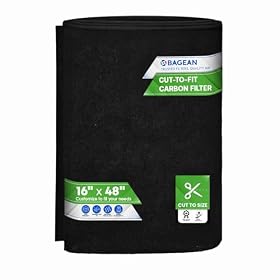
An air purifier pulls room air through filters and returns it to the room. A HEPA filter can capture airborne particles, including fine particles in smoke. Activated carbon can reduce some gases and odors, but performance varies with the amount and type of carbon, the pollutant, and the filter’s condition. A thin carbon-coated sheet may have limited odor capacity.
A purifier does not remove heat or moisture and does not replace outdoor ventilation. It also cannot capture emissions as directly as a hood placed over the cooking surface.
Product prices and availability are accurate as of the date/time indicated and are subject to change. Any price and availability information displayed on Amazon.com at the time of purchase will apply to the purchase of this product.
Which should you choose?
You have a vented hood: Use it while cooking. Add a purifier if smoke or particles still spread through the kitchen or nearby rooms.
Your hood recirculates air: Run it, keep its filters clean, and consider a purifier with both HEPA filtration and a substantial carbon filter for additional particle and odor reduction.
You have no hood: Use an outdoor-vented kitchen exhaust fan if one can be installed safely and appropriately. A purifier is a helpful backup, not a substitute for ventilation.
You cook in an open-plan space: Choose a purifier sized for the combined area where air circulates, not just the small kitchen zone. Keep in mind that walls, doorways, and airflow patterns affect how well it can clean adjacent rooms.
For gas cooking, outdoor ventilation is particularly important because combustion can add pollutants as well as cooking particles. Follow appliance and local ventilation guidance; a room air purifier is not a replacement for a properly operating vent.
How to use an air purifier for cooking smoke
Choose adequate particle-cleaning capacity. Check the purifier’s smoke CADR or its recommended room size. A higher smoke CADR generally means faster particle removal. Use the rating for a room area at least as large as the space you need to clean, and account for adjoining open areas.
Check the filter combination. Look for a true HEPA filter for particles and a clearly described activated-carbon filter for odors. Carbon amount and replacement guidance matter; a HEPA filter alone is not designed to remove most gases or odors.
Position it sensibly. Place the purifier where air can move freely around its intake and outlet, away from splashes, grease, and heat. Do not put it where it obstructs the cooktop or hood.
Run it before, during, and after cooking. Use a higher setting when smoke is being produced, then continue running it until the air clears. A lower setting may be quieter afterward, but usually cleans more slowly.
Maintain the filters. Clean or replace the pre-filter and replace HEPA and carbon filters according to the manufacturer’s instructions. Grease and heavy cooking odors can load filters faster than ordinary room use.
Avoid relying on devices that intentionally produce ozone to clean kitchen air. Follow the purifier’s instructions and use a model intended for occupied indoor spaces.
Bottom line
A properly vented exhaust hood is the better primary tool for cooking smoke because it removes emissions outdoors at the source. An air purifier is useful for particles that escape, and carbon can help with some lingering odors. If you can, use both; if you cannot, prioritize safe outdoor ventilation and choose a purifier sized for the full area you want to treat.
FAQ
Can an air purifier remove cooking smoke?
A purifier with a HEPA filter can capture airborne smoke particles. A substantial activated-carbon filter may reduce some odors and gases, but results depend on the filter and pollutant. It does not remove smoke at the source or replace outdoor ventilation.
Should I run an air purifier while cooking?
Yes, if it is placed safely away from heat and splashes. Run it before and during cooking, then keep it on afterward until the air clears. Use a vented hood at the same time if available.
Is a recirculating range hood enough for cooking smoke?
A recirculating hood can capture grease and may reduce some odors, but it returns air to the room rather than exhausting it outdoors. Its filters need maintenance, and a separate purifier can help capture particles that remain.
What type of air purifier filter helps with cooking odors?
Activated carbon can reduce some odors and gases, while HEPA filtration captures particles. For cooking, look for both and check how much carbon the purifier contains and how often its filters need replacement.