Opening an HVAC fresh-air intake and running a portable air purifier are not interchangeable. The intake brings outdoor air into your home to improve ventilation; a portable purifier recirculates indoor air through filters to reduce certain pollutants. Choose based on whether your priority is fresh-air exchange or filtering particles already indoors—and consider outdoor air quality before opening an intake.
Comparisons · Wed Sep 16
Opening the HVAC fresh-air intake versus a portable purifier
An HVAC fresh-air intake brings outdoor air inside; a portable purifier filters air already in the room. They solve different problems, and many homes benefit from both.
What each option does
HVAC fresh-air intake
A fresh-air intake is part of a ventilation system that brings outdoor air into the home. Depending on the equipment, that air may pass through an HVAC filter, but the filter’s location and effectiveness vary. An intake can help dilute indoor pollutants, odors, moisture, and carbon dioxide, but it also brings in whatever is in the outdoor air. It does not automatically mean that incoming air is highly filtered.
Some systems condition incoming air as part of their operation; others add a heating or cooling load. If your home has an energy-recovery ventilator (ERV) or heat-recovery ventilator (HRV), it may exchange heat or moisture between outgoing and incoming air. Check the system documentation rather than assuming every fresh-air intake works the same way.
Portable air purifier
A portable purifier draws room air through its filters and returns it to the room. A model with a properly fitted HEPA filter can reduce airborne particles such as dust, pollen, and some smoke particles when it is appropriately sized and operated. A purifier does not provide outdoor air or reliably remove carbon dioxide. Odor and gas removal depends on having a suitable gas-phase filter, such as activated carbon, and enough filter material for the problem.
For sizing, compare the purifier’s clean air delivery rate (CADR) with the room and the pollutant you want to address. A purifier that is too small may need to run at a noisy or inconvenient setting to clean the room effectively. Follow the manufacturer’s room-size guidance and keep the air inlet and outlet unobstructed.
Portable filtration for particles in a room
 Air Purifiers for Bedroom, FULMINARE H13 True HEPA FilterFULMINARE
$24.99 as of
View on Amazon Levoit Air Purifiers for Bedroom Home Pets Dorm Room, Small Air PurifiersLevoit
$49.99 as of
View on Amazon Levoit Air Purifiers for Home Bedroom Dorm Room, Small Quiet Air PurifiersLevoit
$48.49 as of
View on Amazon
Product prices and availability are accurate as of the date/time indicated and are subject to change. Any price and availability information displayed on Amazon.com at the time of purchase will apply to the purchase of this product.
Which should you use?
- Use ventilation when you need outdoor-air exchange. This is the role of a designed fresh-air system, especially when indoor air needs dilution. A portable purifier cannot replace that exchange.
- Use a portable purifier to reduce airborne particles in a particular room. It can be useful when outdoor air is polluted, during high-pollen periods, or when you want supplemental particle filtration near a bedroom or living area.
- Use both when conditions call for both. Ventilate when outdoor air is suitable and use a purifier to reduce indoor particles. You do not need to keep the intake open continuously unless your system instructions or ventilation requirements call for it.
- Limit outdoor-air intake when outdoor conditions are poor. Smoke, heavy pollution, or high pollen can make bringing in untreated outdoor air counterproductive. Follow local air-quality guidance and your HVAC system’s instructions; a purifier can help reduce particles indoors, but it does not make every indoor air problem harmless.
Replacement filter for a portable purifier
 HPA300 HEPA Air Purifier Filter R for Honeywell Air Purifier HPA100/200/300Cabiclean
$26.09 as of
View on Amazon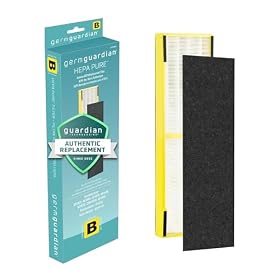 GermGuardian, Filter B HEPA Pure Genuine Air Purifier Filter, Removes 99.97% of Pollutants, Wildfire Smoke,…GermGuardian
$19.88 as of
View on Amazon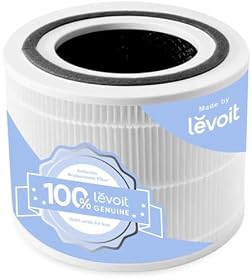 Levoit Core 300-P Air Purifier Replacement Filter, Genuine Air FiltersLevoit
$25.99 as of
View on Amazon
Product prices and availability are accurate as of the date/time indicated and are subject to change. Any price and availability information displayed on Amazon.com at the time of purchase will apply to the purchase of this product.
Check these details before changing the intake
- Identify the opening. Confirm that it is a fresh-air intake—not a combustion-air opening, exhaust vent, or another system component. Do not close or adjust an unidentified opening.
- Check how the system is controlled. The intake may be automatic or linked to ventilation equipment. Use the manufacturer’s instructions, and ask an HVAC professional if you cannot identify the control or its purpose.
- Check the filter and airflow requirements. Use only a filter type and rating the system can accommodate. A higher-rated HVAC filter is not automatically a better choice if it restricts airflow beyond what the equipment allows.
- Consider outdoor air and comfort. Outdoor humidity, temperature, smoke, and pollen can affect comfort and indoor conditions. Follow local guidance during smoke or pollution events.
If your goal is reducing particles in one room, a correctly sized portable purifier is usually the more direct option. If your goal is replacing stale indoor air, use a properly designed ventilation system. When you are unsure what an intake serves, have a qualified HVAC professional identify it before changing its position.
FAQ
Does opening a fresh-air intake filter outdoor air?
Not necessarily. Some incoming air may pass through an HVAC filter, but the filter’s location and performance depend on the system. Check the system documentation before assuming the intake provides fine-particle filtration.
Can a portable air purifier replace fresh-air ventilation?
No. A portable purifier recirculates and filters room air; it does not bring in outdoor air or provide reliable carbon-dioxide removal.
Should I open the intake during wildfire smoke?
Untreated outdoor air can bring smoke particles indoors. Follow local air-quality guidance and your HVAC instructions; when outdoor air is poor, limiting intake may help, while a properly sized purifier can reduce indoor particles.
Can I install a higher-rated HVAC filter instead of buying a purifier?
Possibly, but only if your HVAC equipment is designed to handle that filter’s airflow resistance. Check the manufacturer’s permitted filter specifications or ask an HVAC professional.