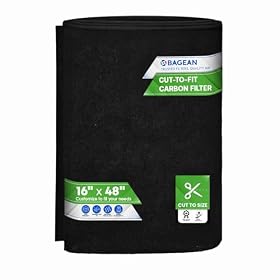
A bathroom fan is usually the better first step for shower moisture and bathroom odors because it removes damp air at the source. An air purifier can help with airborne particles, but it does not control humidity or replace ventilation.
When a bathroom fan is the better first step
If your bathroom has lingering dampness, a fogged mirror, or shower-related odors, use the exhaust fan as your first step. A bathroom fan moves humid, stale air out of the room; an air purifier filters air that remains indoors. A purifier cannot remove moisture from the bathroom or substitute for a fan that vents outdoors.
What a bathroom fan can address {#what-a-bathroom-fan-can-address}
A properly installed, working exhaust fan can help remove moisture and odors produced during bathing. That matters because persistent moisture can contribute to condensation and mold growth. The fan needs a clear path to discharge outdoors—not into an attic or another enclosed space—to provide effective exhaust ventilation.
Run the fan during a shower and afterward according to its instructions. Keep the bathroom door slightly open if that helps replacement air enter, unless the fan or building instructions say otherwise. If the mirror stays fogged or surfaces remain damp long after bathing, the fan may be undersized, obstructed, poorly ducted, or simply not moving enough air.
Product prices and availability are accurate as of the date/time indicated and are subject to change. Any price and availability information displayed on Amazon.com at the time of purchase will apply to the purchase of this product.
When an air purifier is the better fit
An air purifier is designed to reduce airborne particles, such as dust, pollen, and some smoke particles, by circulating air through a filter. A model with activated carbon may help reduce some odors, but it will not fix a moisture problem, clear a clogged exhaust duct, or remove the source of an odor.
Consider a purifier for a nearby bedroom or living area if particles or lingering airborne odors remain after the bathroom is ventilated and the source is addressed. Choose a unit sized for the room where it will operate, and follow its placement and humidity limits. Do not put a standard purifier in a wet bathroom, near splashes, or where condensation can reach it unless the manufacturer specifically approves that use.
Product prices and availability are accurate as of the date/time indicated and are subject to change. Any price and availability information displayed on Amazon.com at the time of purchase will apply to the purchase of this product.
Check the fan before buying another device {#check-the-fan-before-buying-another-device}
Try these simple checks first:
Confirm the fan is switched on. Listen for it and check that its timer or humidity control is set as intended.
Check for airflow. Hold a small piece of toilet paper near the grille while the fan runs. It should be drawn toward the grille. This is only a basic check, not a measurement of fan capacity.
Look for dust at the grille. Turn the fan off before cleaning. Follow the manufacturer’s instructions, and do not remove covers or reach into wiring.
Notice whether moisture clears. If the room remains damp despite using the fan, the duct, exterior outlet, fan capacity, or air supply may need attention.
Check where the duct ends if it is safely accessible. It should exhaust outdoors. If you cannot verify this without entering an unsafe area or disturbing building materials, ask a qualified professional.
If the fan rattles, does not run, or has weak airflow after basic cleaning, consult its manual or a qualified electrician or ventilation professional. Do not work on electrical components unless qualified; turn off power before any permitted cleaning or service.
Dust, pollen, or smoke in an adjacent room: A correctly sized air purifier may help, while ventilation and source control remain important.
Odor that persists after the room dries: Find and address the source; a carbon filter may reduce some residual odors but is not a substitute for fixing the cause.
Visible mold or recurring dampness: Address the moisture source promptly. For extensive growth, water damage, or persistent problems, seek qualified help rather than relying on an air purifier.
A bathroom fan and an air purifier can serve different roles, but they are not interchangeable. Fix ventilation and moisture first; add filtration only for airborne particles or residual odors that remain afterward.
FAQ
Can an air purifier remove bathroom humidity?
No. A typical air purifier filters particles from circulating air but does not remove meaningful amounts of water vapor. Use an exhaust fan or another appropriate moisture-control solution.
Should I run an air purifier in the bathroom?
Only if its manufacturer permits use in that location and its placement avoids splashes and condensation. Many standard purifiers are better placed in a dry nearby room.
Will a bathroom fan remove mold?
A fan can help reduce moisture that supports mold growth, but it does not remove existing mold or fix leaks. Address the moisture source and seek qualified help for extensive or recurring growth.
Can an air purifier help with bathroom odors?
A purifier with activated carbon may reduce some residual airborne odors, but it will not fix the odor source or replace exhaust ventilation.