The right air purifier can reduce airborne cat dander and other pet allergens, but filter type, airflow, room size, and maintenance matter more than marketing claims.
An air purifier for cat dander should use a genuine HEPA filter and provide enough clean-air delivery for the room where your cat spends time. HEPA filtration captures airborne particles such as dander, dust, and some allergen-carrying debris. It will not remove allergens that have already settled into carpets, bedding, furniture, or clothing, so regular cleaning is still important.
What to look for in an air purifier for cat dander
1. A genuine HEPA filter
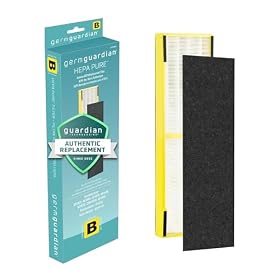
A HEPA filter is the most important component for airborne cat dander. Look for the manufacturer’s stated filter type and replacement instructions rather than relying only on phrases such as “pet air purifier” or “allergen removal.”
A multi-stage purifier commonly includes:
Pre-filter: Captures larger hair, dust, and lint before they reach the main filter.
HEPA filter: Captures fine airborne particles, including dander and dust.
Activated carbon filter: Helps reduce some odors and gaseous pollutants, including pet smells.
A washable mesh pre-filter can be useful in homes with shedding pets because it may help protect the HEPA filter from becoming coated with hair. The pre-filter does not replace the HEPA filter.
2. Enough CADR for the room
CADR, or Clean Air Delivery Rate, indicates how quickly a purifier delivers filtered air. A higher CADR is generally better for a larger room or a room with a heavier allergen load.
Compare the purifier’s stated room-size guidance with the actual room where it will operate. If the room has high ceilings, an open floor plan, frequent door opening, or several pets, consider a unit with more capacity than the minimum recommendation. A purifier rated for a small bedroom may not clean the air effectively throughout a large living area.
If CADR is listed, use it as a more useful comparison than vague coverage claims. Coverage numbers can be based on different assumptions, so compare units using the same type of rating whenever possible.
3. A replacement filter that is easy to find
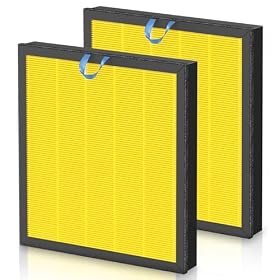
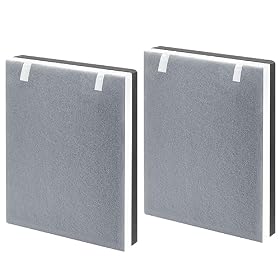
Filters are consumable parts. Before buying, check whether replacement HEPA and carbon filters are available for the specific purifier and whether the manufacturer provides a replacement schedule or filter-life indicator.
A purifier that works well but has difficult-to-find replacement cartridges may be inconvenient to maintain. Do not assume that a universal filter will fit or seal correctly; use the replacement part specified for the unit unless the manufacturer says otherwise.
4. Quiet operation at a usable speed
A purifier only helps while it is running. If fan noise causes you to turn it off, a quieter model with enough capacity for continuous operation may be more practical than a smaller, louder unit that must run at maximum speed.
Check whether the purifier offers a low or sleep setting, but remember that lower fan speeds usually move less air. Quiet operation is useful, but it should not come at the expense of adequate airflow for the room.
Is HEPA filtration enough for cat allergies?
HEPA filtration can reduce airborne particles, but cat allergies are caused primarily by proteins found in cat skin flakes, saliva, and other materials—not just visible fur. These allergens can attach to dust and remain on furniture, floors, bedding, and clothing.
An air purifier works best as one part of an allergen-reduction routine:
Keep the purifier running in the room where the cat spends the most time.
Vacuum floors and upholstery regularly with equipment designed to limit dust release.
Wash bedding and clean fabric surfaces according to their care instructions.
Groom the cat according to veterinary guidance, preferably by someone who is not sensitive to the allergens.
Keep the cat out of bedrooms if that is practical and recommended for the household.
Wash hands after handling the cat, especially before eating or touching your face.
An air purifier cannot guarantee relief from allergy symptoms. People with persistent, severe, or breathing-related symptoms should discuss them with a qualified medical professional.
Product prices and availability are accurate as of the date/time indicated and are subject to change. Any price and availability information displayed on Amazon.com at the time of purchase will apply to the purchase of this product.
Choosing the right size
For a bedroom, office, or other enclosed room, select a purifier whose stated capacity meets or exceeds the room’s size. For a large open area, calculate the approximate combined floor area and look for a unit designed for that space—or consider using more than one purifier in separate zones.
Place the purifier where it can circulate air freely. Avoid pushing it tightly against a wall, placing it behind furniture, or covering the intake or outlet. If the cat spends most of its time in one room, placing the purifier there may be more effective than putting a small unit in a distant hallway.
For a home with multiple rooms, one portable purifier will not clean every room equally well. Closing doors can help concentrate the purifier’s effect, while an open floor plan may require higher capacity or multiple units.
Product prices and availability are accurate as of the date/time indicated and are subject to change. Any price and availability information displayed on Amazon.com at the time of purchase will apply to the purchase of this product.
Do carbon filters matter for cat owners?
Carbon filtration is useful for odors, but it is not the main solution for cat dander. The amount and type of carbon vary between purifiers, and a thin carbon-coated sheet may have less odor-adsorbing material than a deeper carbon filter.
Choose a purifier based on HEPA filtration and adequate airflow first. Add carbon as a useful feature if litter-box smells, pet odors, or other household odors are a concern. Carbon does not replace regular litter-box cleaning or ventilation where appropriate.
Product prices and availability are accurate as of the date/time indicated and are subject to change. Any price and availability information displayed on Amazon.com at the time of purchase will apply to the purchase of this product.
Maintenance tips
Follow the manufacturer’s instructions for filter cleaning and replacement. Common maintenance steps include:
Turn the purifier off and unplug it before opening the housing.
Check the pre-filter regularly for hair and dust.
Clean a washable pre-filter only if the instructions permit it, and let it dry completely before reinstalling it.
Do not wash a HEPA or carbon filter unless the manufacturer specifically identifies it as washable.
Replace disposable filters when the indicator appears, airflow drops, odors persist, or the stated service interval has been reached.
Keep the air intake and outlet free of fur, dust, curtains, and furniture.
A clogged filter can reduce airflow and make the purifier less effective. Continuing to run a unit with a saturated or damaged filter may also increase noise and strain the fan.
Product prices and availability are accurate as of the date/time indicated and are subject to change. Any price and availability information displayed on Amazon.com at the time of purchase will apply to the purchase of this product.
Common buying mistakes
Buying based only on the word “pet”
“Pet” labeling may refer to odor control, hair capture, or general marketing. Confirm that the purifier has a stated HEPA filter and suitable airflow for your room.
Choosing a unit that is too small
A compact purifier may be appropriate for a small bedroom but inadequate for a living room or open-plan space. Compare room size and CADR rather than choosing by appearance alone.
Expecting the purifier to remove visible fur
Air purifiers are designed for airborne particles, not piles of fur on floors or furniture. Use a vacuum, lint roller, or other suitable cleaning method for settled debris.
Ignoring operating and filter costs
A purifier requires electricity and replacement filters. Check the filter type, expected replacement interval, availability, and any manufacturer requirements before purchase.
Placing it in a corner or behind furniture
Restricted airflow reduces circulation. Leave clearance around the intake and outlet as specified by the manufacturer.
When an air purifier is a reasonable choice
An air purifier is especially useful when you want to reduce airborne cat dander in a bedroom, living room, home office, or other frequently occupied space. Choose a genuine HEPA unit with enough CADR for the room, run it consistently, and maintain the filters on schedule.
If the purifier produces a burning smell, unusual electrical noise, repeated error messages, or a damaged cord, stop using it and follow the manufacturer’s safety instructions. Do not bypass safety switches or operate a damaged unit.
FAQ
What type of air purifier is best for cat dander?
Choose an air purifier with a genuine HEPA filter and enough CADR for the room. A pre-filter can help capture hair and larger dust, while activated carbon may help with pet odors.
Where should I place an air purifier for cat dander?
Place it in the room where the cat and affected household members spend the most time. Keep the intake and outlet unobstructed, and follow the manufacturer’s required clearance around the unit.
Will an air purifier remove cat allergies completely?
No. It can reduce airborne particles, but cat allergens also settle on floors, furniture, bedding, and clothing. Regular cleaning and other allergen-reduction steps are still necessary.
How often should I replace an air purifier filter?
Use the replacement interval provided by the manufacturer. Replace it sooner if airflow drops, the filter is visibly saturated or damaged, odors persist, or the purifier indicates that service is needed.