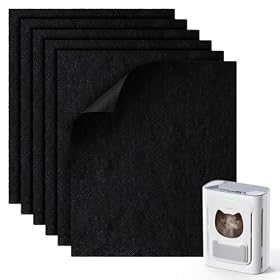
The right air purifier can reduce airborne pet dander and some fine particles around dogs and cats, but it will not replace regular brushing, vacuuming, or cleaning. Here is what to look for when choosing one.
An air purifier can help reduce airborne pet dander, fine dust, and some particles carried into the air by shedding pets. For the best results, choose a unit sized for the room, with a true HEPA filter, a durable pre-filter, and enough airflow to circulate the room’s air. Keep expectations realistic: most purifiers do not collect large amounts of loose pet hair from floors, furniture, or clothing.
What an air purifier can—and cannot—do
Pet hair is relatively large and usually settles on floors, bedding, upholstery, and clothing. An air purifier may capture some hair that becomes airborne, but a vacuum, lint roller, grooming routine, and washable furniture covers are more effective for visible shedding.
Pet dander consists of tiny skin flakes and proteins that can remain suspended in the air or attach to dust and hair. A properly sized purifier can capture airborne dander and other fine particles as air passes through its filter. It cannot remove dander that has already settled on a surface unless that material is disturbed and drawn into the purifier.
A purifier also does not eliminate the source of allergens. Regular pet grooming, washing bedding, cleaning floors, and keeping the pet out of allergy-sensitive rooms are still important parts of an overall strategy.
Key features to look for
True HEPA filtration
A true HEPA filter is the main feature to prioritize for airborne pet dander and fine particles. Check the product documentation to confirm that the purifier includes a HEPA filter or a clearly specified equivalent. Marketing terms such as “HEPA-type” or “HEPA-like” do not provide the same level of clarity.
HEPA filters become less effective as they load with dust, so replacement intervals and filter availability matter. A purifier with an effective filter that is difficult or expensive to replace may be less practical than one with readily available replacement cartridges.
A washable or replaceable pre-filter
The pre-filter catches larger particles before they reach the HEPA filter. This is especially useful in homes with shedding pets because it can trap hair, lint, and larger dust particles.
Look for a pre-filter that is easy to remove and clean. If the manufacturer says it is washable, allow it to dry fully before reinstalling it. Do not wash a filter unless the instructions specifically allow it; moisture trapped in the filter can damage the unit or encourage odors and microbial growth.
A pre-filter will not prevent all maintenance. Hair and dust can still accumulate around the intake grille, so inspect and clean the exterior according to the manufacturer’s instructions.
Sufficient airflow and room coverage
Filter type matters, but airflow determines how much air the purifier can process. Compare the purifier’s published room-size guidance or clean air delivery information with the room where it will operate.
For an open floor plan, use the dimensions of the connected space rather than the smallest individual area. If the room has high ceilings, frequent door opening, or heavy shedding, a larger-capacity unit or more than one purifier may be more effective than a small unit running continuously.
Published room-size claims may be based on different assumptions, so treat them as a starting point rather than a guarantee. A unit with adjustable fan speeds is useful because you can run it more quietly when occupied and at a higher speed after grooming, vacuuming, or other activities that stir up particles.
Activated carbon for pet odors
Activated carbon can help reduce some odors and gaseous pollutants, but it is not the primary filter for pet dander or hair. If odor control is important, check how much carbon is included and whether replacement filters retain a meaningful carbon layer. A thin carbon coating may provide less odor capacity than a larger carbon-filled filter, but manufacturers do not always publish comparable measurements.
Do not choose a carbon-only purifier for dander. Odor filtration and particle filtration serve different purposes.
Low noise and continuous operation
A purifier generally works best when it runs regularly, but high fan speeds can be disruptive in bedrooms, offices, and living rooms. Compare the listed noise levels across the available fan settings if that information is provided.
A quiet sleep setting can be useful overnight, although it usually moves less air than the highest setting. Controls such as a timer, automatic mode, and display dimming can also make continuous operation easier.
Avoid intentional ozone generation
For a home with pets or people sensitive to respiratory irritants, avoid products that intentionally generate ozone. Be cautious with air-cleaning claims based primarily on ionization, plasma, or similar technologies, and follow manufacturer safety information carefully. A mechanical filtration unit with a sealed fan-and-filter design is generally the simpler choice for removing airborne particles.
Product prices and availability are accurate as of the date/time indicated and are subject to change. Any price and availability information displayed on Amazon.com at the time of purchase will apply to the purchase of this product.
Choosing the right purifier for your home
One room with a shedding pet
Choose a purifier sized for the room where the pet spends the most time. Place it where air can circulate freely, with space around the intake and outlet. Running it near—but not directly against—a pet bed may help capture particles stirred up around that area, but it should not be placed where a pet can knock it over or access the cord.
Multiple rooms or an open layout
One purifier may not clean every room equally well, especially when doors are closed. A larger unit in the main living area can help there, while a separate unit may be more practical for a bedroom or office. Avoid assuming that air will move efficiently through hallways and closed doorways.
Homes with allergy concerns
Prioritize a true HEPA filter, adequate airflow, and easy maintenance. Place the purifier in the room where the affected person spends the most time, and keep it operating consistently. It is also useful to reduce settled allergens with a vacuum that has effective filtration and by washing pet bedding regularly.
If symptoms are severe, persistent, or involve breathing difficulty, consult a medical professional. An air purifier should support—not replace—medical advice or an allergy-management plan.
Product prices and availability are accurate as of the date/time indicated and are subject to change. Any price and availability information displayed on Amazon.com at the time of purchase will apply to the purchase of this product.
Placement and maintenance tips
Keep the intake and outlet clear of walls, curtains, furniture, and pet bedding unless the manual specifies otherwise.
Run the purifier during and after vacuuming or grooming if the manufacturer permits continuous operation.
Inspect the pre-filter regularly in homes with heavy shedding.
Replace the HEPA or combined filter when the indicator illuminates, airflow drops, odors persist, or the manual’s replacement guidance calls for it.
Reset the filter indicator only after installing or cleaning the appropriate filter.
Do not spray cleaners, fragrances, or disinfectants into the purifier.
Keep the unit on a stable surface and protect it from water, food, and pet access.
Product prices and availability are accurate as of the date/time indicated and are subject to change. Any price and availability information displayed on Amazon.com at the time of purchase will apply to the purchase of this product.
When an air purifier is not helping enough
If you still see plenty of pet hair, that does not necessarily mean the purifier is defective. Large hair usually requires mechanical cleaning. Check that the purifier is running at an appropriate speed, the filter is installed in the correct direction, and the pre-filter and intake are not clogged.
If airflow is weak, inspect the filter and vents with the unit unplugged. A heavily loaded filter may need replacement rather than cleaning. If the purifier makes unusual electrical noises, smells hot, has a damaged cord, or repeatedly shuts off, stop using it and follow the manufacturer’s service guidance. Do not open or repair internal electrical components unless you are qualified to do so.
For persistent odor, confirm that the purifier has a carbon stage and that the filter is not saturated. If replacement filters are unavailable or ongoing filter costs are impractical, replacing the unit with a model that has clearly supported replacement cartridges may be the more sensible option.
Bottom line
For pet hair and dander, choose a room-sized air purifier with a true HEPA filter, a cleanable or replaceable pre-filter, adequate airflow, and replacement filters you can obtain easily. Add activated carbon if pet odor is a major concern, but continue vacuuming and grooming because a purifier is designed primarily for airborne particles—not piles of hair on surfaces.
FAQ
Will an air purifier remove pet hair?
It may capture some hair that becomes airborne, but most loose pet hair settles on surfaces before reaching the purifier. Vacuuming, brushing, and cleaning upholstery are more effective for visible hair.
What type of filter is best for pet dander?
A true HEPA filter is the main feature to look for because it is designed to capture fine airborne particles, including particles associated with pet dander. A pre-filter helps catch larger hair and dust before they reach the HEPA filter.
Should an air purifier run all the time with pets?
Regular operation can help maintain cleaner air, provided the unit is designed for continuous use and is maintained according to its instructions. Use a lower setting for quieter operation and a higher setting after grooming or cleaning when particles are more likely to be airborne.
Does activated carbon remove pet dander?
No. Activated carbon is primarily used for odors and some gases. HEPA or equivalent mechanical filtration is the more important feature for airborne pet dander.
Where should I place an air purifier for a dog or cat?
Place it in the room where the pet and household members spend the most time, with clear space around the intake and outlet. Keep it stable and away from water, food, and places where the pet could knock it over.