Washable filters can reduce replacement costs, but they are usually pre-filters rather than true HEPA filters. Learn which option fits your air-quality needs, maintenance habits, and purifier.
A washable filter is usually a reusable pre-filter, while a replaceable HEPA filter is the main fine-particle filter in many air purifiers. For dust, pollen, smoke particles, and other small airborne particles, a replaceable HEPA filter is generally the stronger choice. A washable filter can still be useful for catching larger debris and protecting the purifier's main filter.
The key difference
The word “filter” does not describe one specific level of filtration. Air purifiers may contain several filter stages:
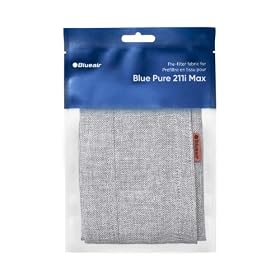
Washable or reusable pre-filter: Captures larger particles such as hair, lint, and visible dust.
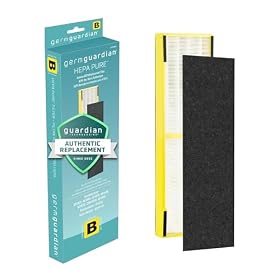
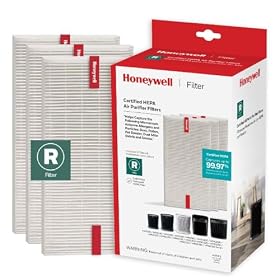
HEPA filter: Designed to capture very small airborne particles, depending on the purifier's design and the filter's stated standard.
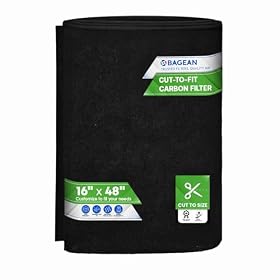
Carbon filter: Helps reduce some odors and gases, although its effectiveness depends on the amount and type of carbon.
A washable filter usually replaces only the pre-filter stage. It does not automatically provide the same fine-particle filtration as a replaceable HEPA filter. Check the product manual or filter label to determine whether the washable element is a pre-filter, a complete filter assembly, or a manufacturer-specific filter type.
Washable filter: advantages and limitations
Advantages
Can reduce the need to buy replacement pre-filters
Useful for hair, lint, and larger household dust
Can help protect a HEPA or other fine-particle filter from loading quickly
May be convenient in homes with pets or heavy visible dust
Limitations
Often does not replace the purifier's HEPA filter
Must be cleaned regularly to maintain airflow
Requires complete drying before reinstallation
Washing can damage the filter if the manufacturer does not permit it
A damp or improperly cleaned filter can create odor and restrict airflow
A washable pre-filter is a good supplement, not necessarily an alternative to a replaceable HEPA filter. Never wash a filter unless the manufacturer specifically identifies it as washable. Some filters look similar but contain materials that can be damaged by water.
Product prices and availability are accurate as of the date/time indicated and are subject to change. Any price and availability information displayed on Amazon.com at the time of purchase will apply to the purchase of this product.
Replaceable HEPA filter: advantages and limitations
Advantages
Better suited to fine particles such as pollen, many dust particles, and airborne smoke particles
Provides a clear replacement interval or condition-based maintenance plan when specified by the manufacturer
Typically requires less hands-on cleaning than a washable filter
Often the better choice for allergy-sensitive households when paired with an appropriately sized purifier
Limitations
Replacement filters add an ongoing operating cost
A clogged filter can reduce airflow and purifier performance
HEPA filters generally should not be washed unless the manufacturer explicitly says they are washable
The filter must match the exact purifier model or approved replacement specification
A replaceable HEPA filter is usually the more practical choice when the main goal is reducing fine airborne particles. It is especially important to use a genuine or properly specified compatible replacement, because a filter that fits physically may not seal correctly or provide the intended airflow.
Product prices and availability are accurate as of the date/time indicated and are subject to change. Any price and availability information displayed on Amazon.com at the time of purchase will apply to the purchase of this product.
Which option is better for common air-quality problems?
Allergies and pollen
Choose a purifier with a properly specified HEPA filter and enough airflow for the room. A washable pre-filter is still useful for capturing larger debris, but it should not be treated as the main allergy filter unless the manufacturer clearly states that it provides HEPA-level filtration.
Pet hair and visible dust
A washable pre-filter can be valuable because it catches hair and larger particles before they reach the main filter. Clean it according to the manual, and inspect the HEPA filter when airflow drops or the purifier indicates that service is needed.
Smoke and fine particles
A replaceable HEPA filter is generally more appropriate for airborne smoke particles than a basic washable filter. If odor is also a concern, look for a purifier with a carbon stage. Particle filtration and odor reduction are separate functions, so a HEPA filter alone may not remove every odor.
Odors and gases
Neither a typical washable pre-filter nor a HEPA filter is primarily designed for all gases and odors. A carbon filter is the relevant stage, but its performance depends on its design and carbon quantity. Replace carbon cartridges as directed rather than assuming that washing will restore them.
Product prices and availability are accurate as of the date/time indicated and are subject to change. Any price and availability information displayed on Amazon.com at the time of purchase will apply to the purchase of this product.
Maintenance and operating cost
The cheaper option to buy is not always the cheaper option to own. Consider both filter purchases and maintenance time.
Factor
Washable filter
Replaceable HEPA filter
Main role
Usually pre-filtration
Fine-particle filtration
Cleaning
Regular washing or vacuuming as permitted
Usually replacement rather than washing
Replacement cost
Often lower for the washable stage
Ongoing cost for replacement filters
Fine-particle performance
Depends on the filter design; often limited
Generally intended for fine-particle capture
Risk of misuse
Reinstalling while damp or damaging the material
Using an incompatible or poorly sealed replacement
A washable filter still has a maintenance cost in time and effort. It may also need eventual replacement if it becomes damaged, warped, permanently clogged, or difficult to clean. A replaceable HEPA filter is more predictable when you follow the manufacturer's replacement guidance.
How to choose between them
Choose a washable filter or washable pre-filter when:
You mainly need to catch hair, lint, and larger dust
You want to protect a separate HEPA filter
You are willing to clean the filter on schedule
The manufacturer explicitly permits washing
Choose a replaceable HEPA filter when:
You want stronger fine-particle filtration
Allergens or airborne dust are a primary concern
You need help reducing smoke particles
You prefer replacement over frequent washing
The purifier's filter system is designed around a HEPA cartridge
For many households, the best setup is not one or the other. It is a washable pre-filter combined with a replaceable HEPA filter and, when needed, a carbon filter.
Check compatibility before buying
Before ordering a replacement, confirm:
The exact air purifier model and filter designation
Whether the filter is a pre-filter, HEPA filter, carbon filter, or combination cartridge
The filter's dimensions and shape
The airflow direction and orientation
Whether the replacement includes a gasket or sealing frame
Whether the manufacturer permits washing or vacuum cleaning
Do not substitute a washable filter for a HEPA cartridge unless the purifier manufacturer says the substitute is compatible. A loose fit or incorrect filter thickness can allow air to bypass the filter or put unnecessary strain on the fan.
When to replace the filter or purifier
Replace a filter when it is visibly damaged, cannot be cleaned as directed, develops a persistent odor, remains heavily loaded, or causes noticeably reduced airflow. A filter indicator is useful, but it may be based on operating time rather than an actual measurement of filter condition.
Consider replacing the purifier instead of only the filter when replacement cartridges are unavailable, the fan has become unusually noisy, the unit no longer moves adequate air for the room, or compatible filters cost too much relative to the machine. For electrical problems, burning smells, damaged cords, overheating, or repeated shutdowns, unplug the purifier and follow the manufacturer's service guidance rather than continuing to operate it.
FAQ
Is a washable filter as good as a HEPA filter?
Usually not. A washable filter in an air purifier is commonly a pre-filter for hair, lint, and larger dust. A replaceable HEPA filter is intended for much smaller airborne particles. Check the manufacturer's specifications because filter types vary.
Can I wash a replaceable HEPA filter?
Generally, no. Washing can damage the filter media and reduce performance. Only wash it if the manufacturer explicitly identifies that specific filter as washable.
Do washable filters remove dust and pollen?
They can capture some larger dust and pollen particles, but performance depends on the filter design. A properly specified HEPA filter is usually the better choice when fine-particle filtration is the priority.
How often should I clean a washable pre-filter?
Follow the purifier manual. Homes with pets, construction dust, or heavy visible debris may require more frequent cleaning. Let a washed filter dry completely before reinstalling it.
Should I use a washable pre-filter with a HEPA filter?
Often, yes. A washable pre-filter can catch larger debris and help protect the replaceable HEPA filter. Confirm that the purifier is designed to use both stages and do not remove or substitute the HEPA cartridge.