An air purifier is often loud in a bedroom because it is running at a high fan speed, has a loaded filter, or is vibrating against a hard surface. Work through these checks before replacing the unit.
An air purifier that is too loud for a bedroom is usually running faster than necessary, working against a clogged filter, or vibrating against a table, wall, or floor. Start with the fan setting and filter, then check placement and loose parts. If the noise is a new grinding, scraping, burning, or electrical sound, stop using the purifier and follow the manufacturer’s service guidance.
Quick fixes to try first
Lower the fan speed. Switch from high or turbo to low or sleep mode. High speed moves more air but creates substantially more fan and airflow noise.
Move the purifier away from walls and furniture. Leave the clearances specified in the manual so the intake and outlet are not restricted.
Place it on a solid, level surface. A soft or uneven table can amplify vibration. If the manufacturer permits it, a thin non-slip pad may reduce rattling.
Turn off features that increase noise. Auto modes may raise the fan when the particle sensor detects dust, smoke, or another change in air quality.
Check whether the noise is temporary. A brief increase after cooking, cleaning, or opening a window may be normal if the purifier is responding to particles.
Check the filter before blaming the motor
A loaded filter can restrict airflow and make the purifier sound strained. Turn the unit off and unplug it before opening the filter compartment.
A filter installed backward or not seated correctly
Dust buildup around the pre-filter or intake grille
Clean a washable pre-filter only as the manual directs. Do not wash a HEPA or carbon filter unless the manufacturer specifically says it is washable. Let washable parts dry completely before reinstalling them. A disposable filter that is dirty, damaged, damp, or past its service interval should generally be replaced.
A new filter can sometimes make the purifier quieter by restoring airflow, but it can also make a unit sound louder if the old filter was restricting the fan. Compare the sound at the same fan setting after installation.
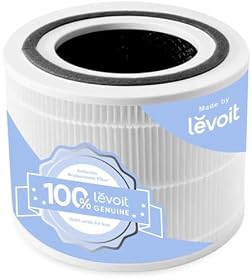
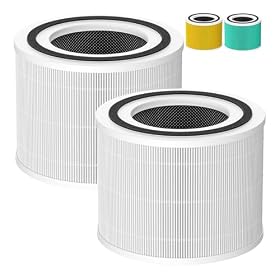
Replacement filter for a noisy or airflow-restricted purifier
Product prices and availability are accurate as of the date/time indicated and are subject to change. Any price and availability information displayed on Amazon.com at the time of purchase will apply to the purchase of this product.
Look for airflow and intake obstructions
A purifier may become noisy when air cannot enter or leave freely. With the unit unplugged, inspect the intake grille, outlet, and surrounding area for:
Curtains, bedding, or clothing covering an opening
A purifier pushed tightly against a wall
Objects resting on top of the outlet
A filter frame or grille that is not fully closed
Do not operate the purifier inside a cabinet, under bedding, or in another enclosed space unless the manufacturer specifically permits it. Restricted airflow can increase noise and may reduce cleaning performance.
Product prices and availability are accurate as of the date/time indicated and are subject to change. Any price and availability information displayed on Amazon.com at the time of purchase will apply to the purchase of this product.
Identify the type of noise
The sound often points to the cause:
Steady rushing or whooshing
This is usually normal airflow. Reduce the fan speed, use sleep mode, or reposition the unit so the outlet does not blow directly toward the bed. If the room needs more cleaning, running the purifier at a higher setting before bedtime and lowering it overnight may be a practical compromise.
Buzzing or rattling
Check that the filter cover, grille, wheels, and other removable parts are secure. Make sure the purifier is level and not touching a wall or another object. A loose panel or hard surface can amplify a modest vibration.
Clicking
Occasional clicking can come from a relay, fan-speed change, or automatic feature, depending on the design. Repeated clicking, a fan that struggles to start, or a sound that began suddenly warrants checking the manual and contacting the manufacturer.
Scraping, grinding, or squealing
Turn the purifier off and unplug it. These sounds can indicate debris near the fan, a damaged fan blade, or a worn motor bearing. Do not reach inside the housing or attempt motor repairs unless you are qualified and the manufacturer specifically provides that procedure.
Humming or electrical buzzing
A mild operating hum may be normal, but a new loud buzz, hot-plastic smell, smoke, sparking, or a tripped breaker is not. Disconnect the purifier and do not continue using it until it has been evaluated or replaced.
Product prices and availability are accurate as of the date/time indicated and are subject to change. Any price and availability information displayed on Amazon.com at the time of purchase will apply to the purchase of this product.
Check whether the purifier is oversized or underpowered for the room
A purifier with more airflow capacity than you need may be quiet at its lowest setting, but it can be intrusive if its automatic mode frequently increases the fan. A smaller unit may be quieter, but it may also need to run at a higher speed for longer and may not clean the room effectively.
When comparing replacement units, look for:
A stated noise level for the lowest or sleep setting
Airflow or room-coverage information measured under a recognized standard, when provided
A genuinely adjustable fan rather than only high and low settings
A display or light that can be dimmed or turned off
A sleep mode that does not automatically raise the fan without warning
Filter availability and replacement guidance
Noise figures are useful only when you compare the same operating mode. A low minimum noise rating does not mean the purifier will be quiet at maximum speed. Room acoustics, placement, and the sound of moving air also affect how loud it seems at the bed.
When to replace a filter or the purifier
Replace the filter when it is loaded, damaged, damp, contaminated, or beyond the manufacturer’s recommended service interval. If the unit is quiet with a clean, correctly installed filter but no longer removes odors or particles effectively, the filter may be the reasonable replacement rather than the whole purifier.
Replacement of the purifier becomes more reasonable when:
The fan makes persistent grinding or scraping noises
The noise remains after filter, placement, and loose-panel checks
The motor starts and stops, overheats, or smells electrical
The purifier has suffered liquid exposure or impact
Replacement filters are unavailable or cost-prohibitive for the unit
The unit is too loud even on its lowest useful setting for the bedroom
For a newer unit, check the warranty before opening the housing. For any electrical fault, use the manufacturer’s support process or a qualified appliance technician rather than bypassing safety features.
A practical bedroom setup
Run the purifier at a higher setting while the room is occupied and then reduce it before sleep, if your air-quality needs allow. Keep doors and windows closed when dealing with outdoor smoke or pollen, while maintaining normal ventilation when needed for combustion appliances and indoor safety. Place the purifier where its intake and outlet have clear space, but not so close to the bed that airflow noise is concentrated at your head.
If sleep is the priority, choose the lowest setting that provides acceptable air cleaning and verify that the controls, display, and automatic fan behavior will not disturb you during the night.
FAQ
Why is my air purifier suddenly louder than before?
A loaded filter, blocked intake, loose cover, vibration, or an automatic increase in fan speed is a common cause. Check those items first. A new grinding, scraping, electrical, or burning sound may indicate a fan or motor problem.
Should I run my air purifier on high while sleeping?
Not necessarily. High speed usually cleans air faster but is louder. Running it at a higher setting before bedtime and using low or sleep mode overnight can reduce noise, provided the lower setting still meets your air-cleaning needs.
Can a dirty filter make an air purifier loud?
Yes. Dust and pet hair can restrict airflow and make the fan sound strained. Inspect and replace disposable filters according to the manufacturer’s instructions, and clean washable pre-filters only as directed.
Is a humming air purifier dangerous?
A mild operating hum may be normal, but a new loud electrical buzz, burning smell, smoke, sparks, overheating, or a tripped breaker is a reason to unplug the unit and stop using it until it is inspected or replaced.