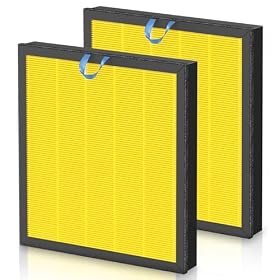
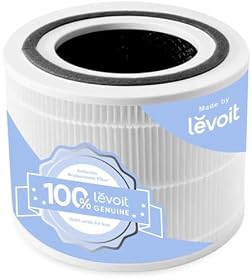
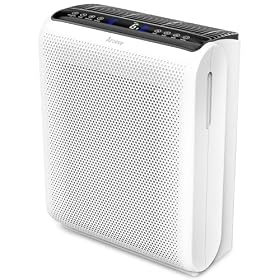
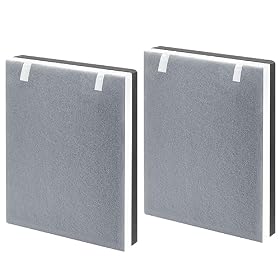
The best air purifier for pets combines a genuine particle filter with a washable or replaceable pre-filter and enough airflow for the room. Here is how to choose one for dander, hair, dust, and pet odors.
Best air purifier for pets
The best air purifier for pets is one with a high-efficiency particle filter, a useful pre-filter, enough airflow for your room, and manageable replacement-filter costs. Air purifiers can capture airborne pet dander, dust, and some allergens, but they will not remove fur from floors or eliminate the source of odors by themselves.
For most homes, prioritize a purifier with a HEPA or HEPA-type main filter, a removable pre-filter for hair and large debris, and a published airflow or room-coverage rating. Add activated carbon if pet odors are a major concern.
What to look for in an air purifier for pets
HEPA filtration for dander and airborne particles
Pet dander consists of tiny skin flakes and proteins that can remain airborne. A properly fitted HEPA filter is useful for capturing these particles, along with household dust and pollen.
Look for:
A clearly identified HEPA filter or the manufacturer’s stated particle-filtration performance
A sealed filter compartment that limits air bypass
A replacement filter that is readily available
An airflow rating that is appropriate for the room
“HEPA-type” does not always mean the same thing as a certified HEPA filter. Check the manufacturer’s filtration claims and avoid choosing based only on vague terms such as “advanced purification.”
A pre-filter that handles hair and dust
Pet hair is usually too large to be the main job of a HEPA filter. A washable or replaceable pre-filter catches hair, fur, and larger dust before they reach the finer filter.
A good pet-oriented design should let you access and clean the pre-filter without replacing the entire filter assembly. Check whether the pre-filter is washable, vacuum-cleanable, or intended for replacement. Follow the manufacturer’s cleaning instructions; a damp filter should be completely dry before it is reinstalled.
Activated carbon for odors
Particle filters capture airborne particles but do not remove most gaseous odors. Activated carbon can help reduce some pet smells, especially when the purifier contains a meaningful amount of carbon rather than only a thin carbon-coated sheet.
Carbon performance varies widely. If odor control is your main goal, look for the amount or type of carbon disclosed by the manufacturer. Keep expectations realistic: ventilation, cleaning fabrics, washing pet bedding, and removing the odor source are still important.
CADR and airflow that match the room
A purifier must move enough air through its filter to make a noticeable difference. CADR, or clean air delivery rate, is more useful than a large marketing claim about maximum square footage because it describes filtered-air output.
When comparing models:
Use the published room-size guidance as a starting point, not a guarantee.
Prefer higher airflow for open floor plans, rooms with multiple pets, or rooms where allergies are a serious concern.
Remember that a purifier rated for a large open room may still be less effective in a room with high ceilings or connected spaces.
If a unit has several fan speeds, its highest setting generally provides the most cleaning but may be louder. A larger purifier operated at a lower, quieter speed can be more comfortable than a small purifier that must run at full power.
Match the purifier to the pet-related problem
For dander and allergy concerns
Choose a purifier with a true or clearly specified high-efficiency particle filter, strong airflow, and a filter-change indicator. Place it in the bedroom, living room, or another space where people spend the most time.
Do not point the airflow directly at bedding or a pet’s resting area, since this can disturb settled dust. Keep doors and windows closed when outdoor allergens are high, if practical, and clean floors and upholstery regularly.
For pet hair
An air purifier will capture some airborne hair and fine debris, but it is not a substitute for vacuuming. Look for an accessible pre-filter and keep it clean. A clogged pre-filter can reduce airflow and make the purifier less effective.
If loose fur is the main issue, prioritize easy maintenance over extra smart features. A purifier that is difficult to open or expensive to maintain may be a poor fit for a shedding pet.
For pet odors
Choose a model with activated carbon in addition to particle filtration. Carbon works best when the odor source is limited and the filter is still fresh. Replace the carbon-containing filter when recommended, since saturated carbon can lose effectiveness.
Persistent odors may indicate dirty bedding, an accident in carpeting, inadequate ventilation, or a medical issue. Address the source before relying on filtration.
For smoke, dust, or mixed household pollutants
Use a purifier with strong particle filtration and sufficient airflow. Carbon is useful if smoke or chemical smells are also present. Avoid assuming that a pet-focused label guarantees better performance; the filter design and airflow matter more than the marketing category.
Product prices and availability are accurate as of the date/time indicated and are subject to change. Any price and availability information displayed on Amazon.com at the time of purchase will apply to the purchase of this product.
Features that affect daily use
Noise
Noise matters if the purifier will run in a bedroom or near a living area. Compare the manufacturer’s noise information at more than one fan speed when available. A sleep mode may be quieter, but it also usually moves less air.
Filter access and operating cost
Check how often the main filter and pre-filter require attention. Replacement intervals depend on pet hair, dust levels, operating hours, and fan speed, so published intervals are estimates rather than guarantees.
Before buying, confirm:
The replacement filter is sold for the exact purifier series
The filter-change indicator can be reset according to the instructions
The pre-filter can be cleaned as directed
Replacement parts are available through a reliable source
The total filter cost fits your expected maintenance schedule
Controls and sensors
Particle sensors and automatic modes can adjust fan speed as air conditions change. They are convenient, but a sensor may not detect odors or every type of allergen. Manual fan control is still useful when you want continuous filtration.
An app, voice control, or air-quality display should be treated as a convenience feature rather than a substitute for adequate filtration and airflow.
Ozone and ionization
For general home use, choose a purifier that does not intentionally produce ozone. Be cautious with ionizers, ozone generators, and vague “active purification” claims. If a unit includes an ionizing function, check whether it can be disabled and follow safety guidance from the manufacturer and relevant authorities.
Product prices and availability are accurate as of the date/time indicated and are subject to change. Any price and availability information displayed on Amazon.com at the time of purchase will apply to the purchase of this product.
Where to place an air purifier for pets
Place the purifier in the room where people experience the most symptoms or where the pet spends the most time. Keep air inlets and outlets clear, and avoid placing the unit tightly against a wall, curtain, sofa, or other obstruction.
For a bedroom, run the purifier before bedtime and keep it operating while the room is occupied. For a living room, central placement is often more useful than putting the unit behind furniture. In an open-plan home, one small unit may not clean every connected area effectively.
Product prices and availability are accurate as of the date/time indicated and are subject to change. Any price and availability information displayed on Amazon.com at the time of purchase will apply to the purchase of this product.
How to get better results
An air purifier works best as part of a broader cleaning routine:
Vacuum floors and upholstery with suitable filtration.
Wash pet bedding regularly.
Brush pets in an area where loose hair can be collected.
Clean the purifier’s pre-filter as directed.
Replace the main filter when its indicator or the manufacturer’s guidance calls for it.
Keep the purifier running consistently rather than only turning it on after an odor appears.
Never wash a filter unless the instructions specifically say it is washable. Do not operate the purifier with a missing, wet, damaged, or incorrectly installed filter.
Product prices and availability are accurate as of the date/time indicated and are subject to change. Any price and availability information displayed on Amazon.com at the time of purchase will apply to the purchase of this product.
When a different solution may be better
An air purifier is not the right standalone solution for mold, a gas leak, strong chemical fumes, severe smoke exposure, or a persistent sewage-like odor. Ventilate when safe, remove the source, and seek appropriate professional help when necessary.
If a purifier has weak airflow, unusual electrical behavior, burning smells, repeated shutdowns, or a damaged cord, unplug it and follow the manufacturer’s service guidance. Do not open the motor or electrical compartment unless qualified to do so.
Bottom line
For most pet-owning households, choose an air purifier with a high-efficiency particle filter, a cleanable or replaceable pre-filter, adequate CADR for the room, and activated carbon if odors matter. The best choice is usually the model you can afford to run consistently and maintain correctly—not necessarily the one with the most features or the largest advertised coverage area.
FAQ
Do air purifiers remove pet hair?
They can capture some airborne hair and fine debris, but most pet hair settles quickly on floors and furniture. A purifier’s pre-filter may catch larger particles, while regular brushing and vacuuming remain necessary.
Is HEPA filtration good for pet dander?
Yes. A properly fitted HEPA or clearly specified high-efficiency particle filter can capture airborne pet dander and other fine particles. Adequate airflow and regular filter replacement also matter.
Do air purifiers remove pet odors?
Particle filters do not remove most odors. Choose a purifier with activated carbon for odor reduction, and address the source by cleaning bedding, carpets, upholstery, and affected areas.
Should an air purifier run all the time with pets?
Continuous operation at a tolerable fan speed can provide more consistent filtration than occasional use. Keep the pre-filter clean and follow the manufacturer’s guidance for operating hours and filter replacement.
Where should I put an air purifier for pet allergies?
Place it in the bedroom or the room where symptoms are strongest and where people spend the most time. Keep its intake and outlet unobstructed, and use a purifier with enough airflow for that room.