Air purifier filter lasting only a month: causes and fixes
A filter that needs replacement every month usually indicates unusually heavy particle loading, a neglected pre-filter, an installation or airflow problem, or an undersized purifier—not necessarily a defective HEPA filter.
A filter lasting only a month is usually caused by heavy dust or smoke exposure, a clogged or missing pre-filter, incorrect installation, poor airflow, or an air purifier that is too small for the room. First inspect the filter and pre-filter, then check for blocked vents, gaps around the filter, and unusually dirty indoor air. Replace the filter when it is visibly loaded, damaged, damp, or producing a persistent odor—but do not rely only on the filter-life light.
Check the pre-filter first
The pre-filter is designed to catch larger particles such as hair, lint, and dust before they reach the HEPA filter. If it is clogged, the purifier may pull harder against the filter and load it quickly.
Turn the purifier off and unplug it.
Remove the pre-filter according to the manual.
If it is washable, rinse and dry it completely before reinstalling it. Do not wash a filter unless the manufacturer says it is washable.
If it is a disposable mesh or fabric filter, clean or replace it only as directed.
Check the filter intake grille and remove dust from it with a soft brush or vacuum attachment if the manual permits.
Never reinstall a damp filter. Moisture can encourage odor and microbial growth and can damage some filter materials.
Look for unusually heavy particle exposure
A HEPA filter can load quickly when the purifier is used near a major source of airborne particles. Common causes include:
Smoking, vaping, candles, incense, or fireplaces
Cooking smoke and grease, especially near the kitchen
Home remodeling, sanding, drywall dust, or other construction work
Heavy shedding from pets
Open windows during wildfire smoke, high-pollen periods, or dusty weather
Recent cleaning, moving, or renovation that stirred up settled dust
A dusty furnace or HVAC system
If one of these applies, a month may be possible even when the purifier is operating normally. Reduce the source where practical, keep doors and windows closed during outdoor smoke events, and use kitchen or bathroom exhaust fans when appropriate. Do not place a portable purifier where it can draw in direct grease, water vapor, or heavy debris.
Product prices and availability are accurate as of the date/time indicated and are subject to change. Any price and availability information displayed on Amazon.com at the time of purchase will apply to the purchase of this product.
Check the filter type and condition
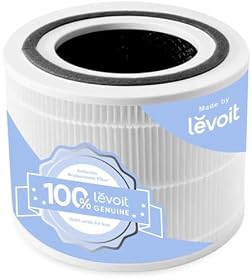
Some air purifiers combine a washable or replaceable pre-filter, a HEPA filter, and an activated-carbon layer. These parts do different jobs:
Pre-filter: catches larger particles and protects the main filter.
HEPA filter: captures fine airborne particles such as dust, pollen, and smoke particles.
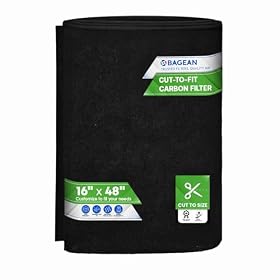
Carbon filter: helps reduce odors and some gases. Its useful life depends heavily on the pollutant level and the amount of carbon.
A filter that looks gray or dusty may simply be loaded with particles. A strong odor can point to an exhausted carbon layer rather than a HEPA problem. If the filter is wet, moldy, torn, misshapen, or shedding material, replace it rather than trying to clean it.
Do not wash or aggressively vacuum a HEPA filter unless the manufacturer specifically allows it. Cleaning can damage the filter media, and removing visible dust does not necessarily restore its particle-capture performance.
Product prices and availability are accurate as of the date/time indicated and are subject to change. Any price and availability information displayed on Amazon.com at the time of purchase will apply to the purchase of this product.
Confirm the replacement filter is correct and installed properly
An incorrect filter can appear to fit while leaving gaps or restricting airflow. Check the purifier’s manual or the model label and confirm that the replacement matches the required filter assembly.
Inspect for:
A missing plastic wrapper or shipping bag that was never removed
The filter installed backward
A loose end cap or damaged gasket
A filter that is too short, too thick, or not seated evenly
A filter door that does not close and latch completely
A replacement cartridge that contains less or different filter material than the original design
The filter should sit firmly against its seals. Air should pass through the filter rather than around its edges. If the door will not close normally, do not force it; verify the part and installation first.
Product prices and availability are accurate as of the date/time indicated and are subject to change. Any price and availability information displayed on Amazon.com at the time of purchase will apply to the purchase of this product.
Check for blocked airflow or a struggling fan
Poor airflow can make the purifier seem ineffective and may increase stress on the filter and fan. Leave clearance around the intake and outlet based on the manufacturer’s instructions. Keep curtains, furniture, bedding, and walls from covering the vents.
Also check for dust on the intake grille and fan area. Unplug the unit before cleaning. Use only the cleaning method approved in the manual, and keep liquids away from the motor and controls.
If the purifier makes a new rattling, scraping, buzzing, or burning smell, stop using it. A fan or motor problem is not a filter-maintenance issue and may require service or replacement.
Product prices and availability are accurate as of the date/time indicated and are subject to change. Any price and availability information displayed on Amazon.com at the time of purchase will apply to the purchase of this product.
Make sure the purifier is large enough for the room
An undersized purifier may need to run at a high speed continuously to handle the room’s particle load. That increases the amount of air passing through the filter and can shorten filter life.
Compare the purifier’s published room guidance or clean air delivery information with the actual room size. Consider the connected space, ceiling height, open doors, and the pollution source—not just the floor area printed on a box. A purifier working in a large open living area may need more capacity than the same unit used in a small closed bedroom.
If the unit is consistently running at its highest setting and the filter loads quickly, a larger purifier or a second unit may be more practical than replacing the same filter every month.
Check whether the filter indicator is being interpreted correctly
The filter reminder may be based on operating hours, fan speed, or an internal estimate. It does not directly measure how much dust is inside the filter. Conversely, resetting the reminder does not clean or extend the filter.
Use the indicator as a maintenance prompt, then inspect the filter and follow the replacement criteria in the manual. If the light returns immediately after a reset, confirm that the reset procedure was completed correctly. If it repeatedly indicates a filter problem with a clean, correctly installed cartridge, contact the manufacturer.
When to replace the filter or the purifier
Replace the filter when it is visibly saturated, damaged, damp, contaminated with mold, producing an odor that cleaning the pre-filter does not resolve, or no longer allows the purifier to operate normally. Use the specified replacement assembly rather than modifying the filter to make another size fit.
Replacing the purifier may be reasonable when:
Correct replacement filters are unavailable or repeatedly cost more than the unit is worth
The purifier is too small for the room and runs continuously at high speed
The fan has a burning smell, abnormal noise, or poor airflow after filter replacement
The housing, filter door, or seals are damaged
The unit cannot maintain normal operation with a correctly installed filter
For electrical faults, damaged cords, overheating, or burning odors, unplug the purifier and follow the manufacturer’s service guidance. Do not open the motor or control enclosure unless you are qualified and the instructions specifically allow it.
FAQ
Is it normal for an air purifier filter to last only one month?
It can happen in homes with smoke, wildfire particles, construction dust, heavy shedding, or high fan use, but it is shorter than many routine replacement intervals. Check the pre-filter, pollution sources, filter installation, and purifier size before assuming the filter itself is defective.
Can I wash a HEPA filter to make it last longer?
Usually no. Wash a HEPA filter only when the manufacturer explicitly says it is washable. Water or aggressive vacuuming can damage the filter media. Washable pre-filters are more common, but they must be completely dry before reinstallation.
Why does my air purifier filter look dirty so quickly?
The purifier may be capturing a high amount of dust, smoke, pollen, pet hair, or other particles. A neglected pre-filter, open windows during smoky or dusty conditions, or an undersized purifier can also make the main filter load faster.
Does resetting the filter light make the filter last longer?
No. Resetting only clears the maintenance reminder. It does not remove captured particles or restore the filter. Inspect the filter and follow the manufacturer’s replacement guidance.
Should I buy a larger air purifier if filters keep clogging?
A larger or additional purifier may help if the current unit is undersized and runs continuously at high speed. Compare the manufacturer’s room guidance or clean air delivery information with the actual room and pollution source before deciding.