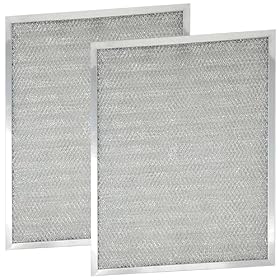
A whistling air purifier usually has an airflow restriction, poorly seated filter, loose panel, or small air leak. Start with the filter and intake grilles before checking the fan or electrical components.
Air purifier making a whistling noise
An air purifier making a whistling noise usually has a restricted or uneven airflow path. The most common causes are a loaded filter, a filter that is not seated correctly, a blocked grille, or a loose cover allowing air to pass through a narrow gap. Turn the purifier off before inspecting it, then work through the checks below in order.
1. Inspect and reseat the filter
A dirty filter is the first thing to check. As dust builds up on the pre-filter or HEPA filter, the purifier has to pull air through a tighter passage. That can create a high-pitched whistle, especially at higher fan speeds.
Turn the purifier off and unplug it.
Remove the filter according to the manufacturer’s instructions.
Look for a visibly clogged pre-filter, heavy dust, pet hair, or a collapsed or damaged filter surface.
Check that all protective plastic packaging has been removed from a replacement filter.
Reinstall the filter in the correct direction and make sure it sits evenly in its frame.
Close and latch the filter cover completely.
Do not wash a HEPA or carbon filter unless the manufacturer specifically says it is washable. A washable pre-filter may be cleaned as directed, but the main filter generally needs replacement when it is saturated or damaged.
If the sound disappears after removing the filter briefly for inspection but returns when it is installed, the filter may be clogged, warped, or not fitting its housing correctly. Do not operate the purifier without its filter for extended periods; use that step only as a short diagnostic check.
2. Check the intake and outlet grilles
Dust, lint, pet hair, or a nearby object can partially block the air intake or outlet. A narrow opening can produce a whistle as air accelerates through it.
Check for:
Curtains, bedding, furniture, or walls positioned too close to the purifier
Dust buildup on the intake grille
Pet hair caught in grille openings
A fragrance pad, pre-filter, or accessory covering an opening
A loose grille, louver, or outlet insert
Unplug the unit and clean accessible grilles with a soft brush or vacuum attachment. Avoid pushing debris into the purifier. Leave the clearances specified in the owner’s manual around the intake and outlet; the required space varies by design.
Product prices and availability are accurate as of the date/time indicated and are subject to change. Any price and availability information displayed on Amazon.com at the time of purchase will apply to the purchase of this product.
3. Look for gaps around the filter and cover
A whistling sound can come from air leaking around the filter rather than through it. This is more likely if the noise began after a filter change or if the filter cover was recently removed.
Inspect the filter frame, gasket, cover, and latches for:
A filter installed at an angle
A crushed or missing foam gasket
A cracked filter frame
A cover that does not sit flush
Broken or weak retaining clips
Dust preventing a panel from closing fully
With the purifier running at a low setting, you may be able to locate the leak by listening around the cover. Do not insert fingers, tools, or loose material into the fan opening. If pressing gently on the cover changes the pitch, the cover, gasket, or filter fit may be the problem.
A replacement filter with the correct dimensions and sealing edge is usually the appropriate fix for a damaged or poorly fitting filter. If the housing or cover is cracked, check whether the manufacturer offers that part before considering a new purifier.
Product prices and availability are accurate as of the date/time indicated and are subject to change. Any price and availability information displayed on Amazon.com at the time of purchase will apply to the purchase of this product.
4. Confirm the purifier is set up correctly
Some purifiers whistle only at particular fan speeds. A high setting produces more airflow and can reveal a restriction that is barely audible on low. Auto mode may also increase fan speed when the unit detects more particles.
Try these checks:
Compare low, medium, and high fan speeds.
Turn off sleep, turbo, ionizer, or other optional functions one at a time if your model includes them.
Move the purifier away from a wall, corner, curtain, or large object.
Place it on a level, stable surface.
Check that removable grilles and covers are installed in the correct position.
If the purifier is quiet on low but whistles on high, airflow restriction or turbulence is more likely than an electrical fault. If the sound occurs at every speed and started suddenly, inspect the filter fit, grille, and fan area more closely.
Product prices and availability are accurate as of the date/time indicated and are subject to change. Any price and availability information displayed on Amazon.com at the time of purchase will apply to the purchase of this product.
5. Check for moisture or debris near the fan
A small object, loose piece of foam, or debris near the fan can create a whistle or intermittent chirp. Unplug the purifier and inspect only the areas the manufacturer identifies as user-accessible. Do not disassemble the motor housing unless the instructions specifically permit it.
Do not operate the purifier if you see water inside it, smell burning, notice melted plastic, or hear grinding or scraping. Unplug it and contact the manufacturer or a qualified appliance repair professional.
6. When the fan or motor may be the cause
If the filter is clean and correctly seated, the grilles are clear, the panels fit tightly, and the noise remains, the fan assembly may be out of balance or its bearing may be wearing. A motor-related whistle may change with fan speed and can be accompanied by vibration, rattling, scraping, or a burning smell.
Fan and electrical repairs are not good do-it-yourself projects unless you have the required training and the manufacturer provides a safe service procedure. Unplug the purifier and seek service when the noise is accompanied by overheating, an electrical odor, repeated shutdowns, sparks, or a damaged power cord.
Should you replace the filter or the purifier?
Replace the filter when it is visibly loaded, damaged, warped, or overdue according to the manufacturer’s guidance. Also replace it if the purifier becomes quiet with no filter installed briefly but whistles when the old filter is fitted again.
A replacement purifier may be reasonable when the unit has a cracked filter housing, unavailable replacement parts, a failing fan, repeated electrical problems, or repair costs that approach the value of the appliance. Choose a compatible filter or replacement unit based on the manufacturer’s model information, filter dimensions, and the purifier’s stated room-coverage guidance—not only on the appearance of the filter.
If the purifier is under warranty, document when the whistling started and which basic checks you completed before contacting the manufacturer.
FAQ
Is it normal for an air purifier to whistle on high speed?
A slight change in airflow sound can be normal at high speed, but a sharp or newly developed whistle often indicates a clogged filter, blocked grille, poor filter fit, or an air leak around the cover. Compare the sound at different speeds and inspect the filter and airflow openings.
Can a dirty HEPA filter make an air purifier whistle?
Yes. A loaded HEPA filter restricts airflow and can create a high-pitched sound as the fan pulls air through it. Replace the filter according to the manufacturer’s instructions, and do not wash it unless it is specifically labeled washable.
Why does my air purifier whistle after changing the filter?
The replacement filter may still have packaging on it, may be installed backward or at an angle, or may not seal correctly in the housing. Check the filter direction, frame, gasket, and cover latches. Use only a filter listed as compatible with the purifier.
Should I keep using an air purifier that is making a whistling noise?
If the purifier is otherwise operating normally and the sound appears to come from airflow, turn it off and inspect the filter, grilles, and cover first. Stop using it and unplug it if you notice burning smells, overheating, sparks, water, grinding, or a damaged cord.
Can I lubricate an air purifier fan to stop the whistle?
Do not add lubricant unless the manufacturer’s service instructions specifically call for it. Many purifier motors are not designed for user lubrication, and opening the motor housing can create electrical and safety risks. Contact the manufacturer or a qualified repair professional instead.