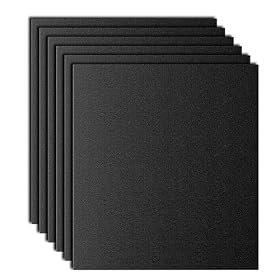
A carbon filter can become saturated after prolonged wildfire smoke exposure, especially when odors return despite normal airflow. Check the filter, seals, airflow, and purifier settings, then replace the carbon cartridge when odor removal has stopped working.
Carbon filter saturated after wildfire week
If your air purifier still smells like wildfire smoke after running for days, its activated carbon filter may be saturated. Carbon has a limited capacity for adsorbing smoke gases and odors; once that capacity is used, the purifier may continue moving air while removing much less odor. A dirty pre-filter, clogged HEPA filter, poor sealing, or an incorrect operating mode can cause similar symptoms, so check the system in order before buying a replacement.
What carbon-filter saturation looks like
Common signs include:
- Smoke or campfire odor returns soon after the purifier is turned off.
- The purifier’s airflow seems normal, but odors remain.
- A new smoke smell appears when the unit starts, particularly if contaminants have accumulated in the filter.
- The carbon layer looks dirty or has been exposed to heavy smoke for an extended period.
- Replacing or cleaning the pre-filter improves airflow but does not remove the odor.
Carbon does not capture particles in the same way a HEPA filter does. The HEPA filter handles much of the airborne particle load, while activated carbon adsorbs some gases and odors. A purifier can therefore have a usable HEPA filter but an exhausted carbon stage—or the reverse.
Check the filter before replacing the purifier
1. Inspect the pre-filter and main filter
Turn the purifier off and unplug it before opening the housing. Follow the manufacturer’s instructions for removing the filter.
Look for:
- A pre-filter covered with lint, hair, or visible ash
- A HEPA filter that is heavily gray or loaded with fine dust
- A carbon sheet, pellet layer, or cartridge that is visibly dirty or smells strongly of smoke
- A filter-life indicator that has reached its replacement point
Do not assume that a dark carbon filter is automatically unusable; carbon color varies by design. Odor performance and the manufacturer’s replacement guidance are more useful indicators. Do not wash a disposable carbon or HEPA filter unless the manufacturer specifically says it is washable. Water can damage the media and will not restore carbon adsorption capacity.
If the purifier has a washable pre-filter, clean and dry it completely before reinstalling it. Replace disposable filters that are damaged, wet, moldy, or badly loaded with ash.
2. Check for restricted airflow or a blockage
A smoke-heavy week can load filters much faster than normal household use. With the purifier running, check whether air is exiting the outlet evenly and whether airflow is noticeably weaker than before.
Inspect the intake grille, outlet, and any accessible duct or filter compartment for:
- Ash or dust blocking the grille
- A filter installed backward
- Packaging or plastic left on a replacement filter
- A filter that is not seated fully
- Objects or furnishings blocking the intake or outlet
Never operate the purifier without the required filter unless the manual specifically allows a brief service check. Avoid blowing compressed air through a contaminated filter, because it can redistribute smoke particles into the room.
3. Check the filter seal and housing
Smoke can bypass the filter if air is leaking around its edges. Confirm that:
- The filter matches the purifier’s required size and type.
- The filter gasket or foam seal is intact.
- The filter door closes fully and latches.
- No dust or ash is preventing the filter from sitting flat.
- The filter frame is not warped or cracked.
A purifier that draws air around the filter may show normal fan operation while providing poor cleaning. Replace a damaged seal or filter frame rather than trying to tape over airflow paths unless the manufacturer approves that repair.
4. Confirm the operating setup
For smoke cleanup, run the purifier continuously at a practical fan speed rather than relying only on a short automatic cycle. Keep doors and windows closed when outdoor smoke levels are high, and place the purifier where its intake and outlet are unobstructed.
Check that the unit is not in a sleep or low-noise mode that substantially reduces airflow. If the purifier has a smoke, turbo, or high mode, use it according to the manual. A purifier cannot remove outdoor smoke effectively if contaminated air is entering continuously through open windows, doors, or a poorly sealed room.
Do not use an ozone generator as a substitute for filtration. Ozone can irritate the lungs and is not a safe general solution for wildfire smoke indoors.
5. Consider the amount and type of contamination
A single purifier may not keep up with a large room, an open floor plan, or smoke entering from outdoors. It may also remove particles while leaving odors in carpets, upholstery, clothing, walls, and HVAC components. In that situation, a new carbon filter can help but may not eliminate the smell immediately.
If the purifier has a washable or reusable pre-filter, clean it only as directed. For severe smoke exposure, replace disposable filter stages according to the manufacturer’s wildfire or heavy-contamination guidance rather than extending the normal schedule.
When the carbon filter needs replacement
Replace the carbon cartridge, carbon sheet, or complete filter assembly when:
- Smoke odor remains after the pre-filter and housing are clean.
- The filter has been exposed to heavy wildfire smoke and the odor returns quickly.
- The carbon media is damaged, wet, contaminated with ash, or past its recommended service interval.
- The manufacturer specifies replacement after a fixed period or filter-life indication.
- Airflow and particle filtration seem normal, but odor adsorption has clearly declined.
Some purifiers combine HEPA and carbon media in one sealed cartridge. In that case, you may need to replace the entire cartridge even if only the carbon portion appears exhausted. Use the exact compatible replacement specified for the purifier; a thin carbon sheet is not equivalent to a deep carbon pellet bed, and generic filters may not seal correctly.
When the purifier itself may be the problem
Consider service or replacement of the purifier if a new, correctly installed filter does not improve airflow or odor performance and:
- The fan is unusually weak, erratic, or noisy.
- The unit has a burning smell or becomes abnormally hot.
- The filter door will not close or the housing cannot seal.
- The purifier displays a persistent fault code.
- The unit repeatedly shuts off or trips a circuit.
Unplug the purifier if it smells electrically burnt, shows heat damage, has a damaged cord, or behaves unpredictably. Do not open the motor or electrical compartment unless the manufacturer specifically permits it and you are qualified to perform that work. Contact the manufacturer or a qualified appliance technician for electrical faults.
How to reduce the chance of another saturated filter
- Keep a clean replacement filter available during wildfire season.
- Use the purifier in a closed room when outdoor smoke is elevated.
- Clean the pre-filter at the interval allowed by the manufacturer.
- Run the purifier before smoke enters the room when local conditions allow.
- Avoid placing the purifier directly beside an open window or door.
- Use a purifier appropriately sized for the room and select a model with a substantial carbon stage if odor and smoke gases are important concerns.
- Track the filter’s installation date and any periods of heavy smoke exposure.
A carbon filter cannot be regenerated at home by vacuuming, rinsing, or leaving it in sunlight. Once the adsorption sites are substantially used, replacement is the practical fix.