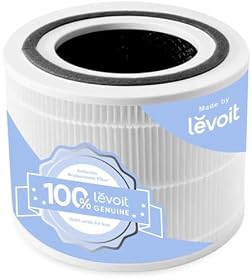
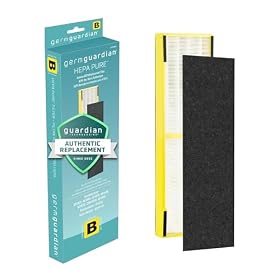
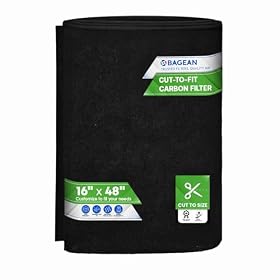
Most air purifier filters need replacement every several months, but the correct interval depends on the purifier, filter type, run time, and indoor air conditions. Use the manufacturer’s schedule as the starting point, then adjust for smoke, pets, dust, and heavy use.
How often to change an air purifier filter
Most air purifier filters need to be replaced every several months, but there is no single schedule that fits every machine. Check the purifier’s manual or filter-life indicator first, then adjust based on how often it runs and how much dust, smoke, pet hair, or other pollution it handles.
A commonly used starting point is about 6 to 12 months for a main HEPA filter, although some filters last longer or need replacement sooner. Carbon filters and washable pre-filters follow different schedules.
Typical replacement schedule by filter type
HEPA or particle filter
A HEPA filter captures airborne particles such as dust, pollen, and fine particulate matter. Many manufacturers recommend replacing it roughly every 6 to 12 months, but the actual interval depends on the model and operating conditions.
Replace it sooner when:
The purifier runs continuously or at high speed
The room is dusty or undergoing renovation
There are pets that shed heavily
The household experiences wildfire smoke or frequent tobacco smoke
The filter looks heavily loaded with dust
Airflow remains weak after cleaning the pre-filter
Do not wash a disposable HEPA filter unless the manufacturer specifically says it is washable. Water can damage the filter media and reduce performance.
Activated carbon filter
Carbon filters help reduce odors and some gaseous pollutants. Their useful life can be shorter than the particle filter’s, especially in rooms with cooking odors, smoke, strong cleaning products, or other chemical odors.
Some purifiers combine carbon with the HEPA filter, while others use a separate carbon sheet, pellet layer, or cartridge. Follow the schedule for the specific filter design. A carbon filter can lose odor-control effectiveness even when it does not look visibly dirty.
Washable or reusable pre-filter
A pre-filter catches larger particles before they reach the main filter. It may be a removable mesh or foam screen and is often designed to be vacuumed or washed.
Inspect it every few weeks in a dusty or pet-heavy room. Clean it according to the manual, and let a washable filter dry completely before reinstalling it. A damp filter can restrict airflow and may encourage odor or microbial growth.
A washable pre-filter usually does not eliminate the need to replace the HEPA or carbon filter behind it.
Product prices and availability are accurate as of the date/time indicated and are subject to change. Any price and availability information displayed on Amazon.com at the time of purchase will apply to the purchase of this product.
What affects filter life?
The printed replacement interval assumes a particular level of use. Filter life may be shorter when the purifier is used:
In a room larger than the purifier is designed to handle
A purifier operating at a low setting may load its filter more slowly than one running continuously at maximum speed. However, reducing the fan speed just to extend filter life can also reduce the amount of air cleaned.
Product prices and availability are accurate as of the date/time indicated and are subject to change. Any price and availability information displayed on Amazon.com at the time of purchase will apply to the purchase of this product.
Signs an air purifier filter needs changing
The filter may be overdue even if the purifier has not displayed an alert. Look for these signs:
Reduced airflow: Air coming from the outlet feels noticeably weaker than before.
Persistent odors: The purifier no longer controls odors it previously reduced.
Visible buildup: The filter surface is covered with dust or appears dark and clogged. Appearance alone is not a perfect test, but heavy buildup is a warning sign.
More fan noise: The motor may work harder against a restricted filter.
A filter indicator or service alert: Treat this as a replacement reminder, but confirm what the indicator means in the manual.
No improvement in air quality: If the room still has substantial dust or odor, check the filter and also confirm that the purifier is appropriately sized and positioned.
A filter indicator is usually based on operating time or airflow calculations, not a complete laboratory measurement of filter condition. It may need to be reset after the replacement filter is installed.
Product prices and availability are accurate as of the date/time indicated and are subject to change. Any price and availability information displayed on Amazon.com at the time of purchase will apply to the purchase of this product.
How to check and replace the filter
Turn off and unplug the purifier. Do not open the filter compartment while the unit is running.
Find the filter access panel. It may be on the rear, bottom, or side of the unit.
Check the filter arrangement. Note which side faces the air intake and whether the purifier uses a separate pre-filter, HEPA filter, and carbon filter.
Inspect and clean the pre-filter if permitted. Vacuum or wash it only as directed by the manufacturer.
Compare the replacement filter with the old one. Check the dimensions, filter type, frame, tabs, and airflow direction before installing it.
Install the new filter securely. A loose or incorrectly oriented filter can allow air to bypass the filter media.
Close the panel and reset the filter indicator. Use the button sequence in the manual; reset procedures differ by model.
Dispose of the old filter appropriately. If it collected smoke, mold-contaminated dust, or other hazardous material, follow local disposal guidance and avoid shaking it indoors.
Should you replace the filter by time or condition?
Use both. The manufacturer’s interval prevents filters from being left in service indefinitely, while inspection helps account for unusually dirty conditions. Do not wait for a strong odor or a complete loss of airflow before replacing a filter, especially if the purifier is used for smoke or allergy-related particle control.
If the purifier has a washable pre-filter, cleaning that component regularly is often the simplest way to protect the main filter. It does not, however, restore a saturated HEPA or carbon filter.
When a replacement purifier may make more sense
A replacement filter is usually the reasonable next step when the purifier is otherwise operating normally and compatible filters are available. Consider replacing the entire unit when:
Replacement filters are unavailable or discontinued
The fan no longer runs reliably after filter replacement
The housing, power cord, or controls are damaged
Airflow remains very weak with a new filter and clean intake
The purifier is too small for the room or cannot meet the household’s air-cleaning needs
For electrical faults, burning smells, overheating, or unusual sparking, unplug the purifier and stop using it. Follow the manufacturer’s service guidance or consult a qualified technician rather than opening the motor or control section.
FAQ
How often should a HEPA air purifier filter be replaced?
Many HEPA filters are replaced about every 6 to 12 months, but the correct interval varies by model, operating hours, room conditions, and filter size. Use the manufacturer’s recommendation as the starting point.
Can I wash a HEPA filter instead of replacing it?
Usually no. Most disposable HEPA filters should not be washed because water can damage the filter media. Wash or vacuum a pre-filter only when the manufacturer says it is designed for cleaning.
How do I know if my air purifier filter is bad?
Weak airflow, persistent odors, heavy visible dust, increased fan noise, or a filter-change alert can indicate that replacement is due. A filter can also lose carbon odor-control performance without looking dirty.
Do air purifier filters last longer if the fan is on a low setting?
Lower fan speeds generally move less air through the filter and may slow dust loading, but they also clean less air. Choose the speed needed for the room and follow the manufacturer’s maintenance schedule.